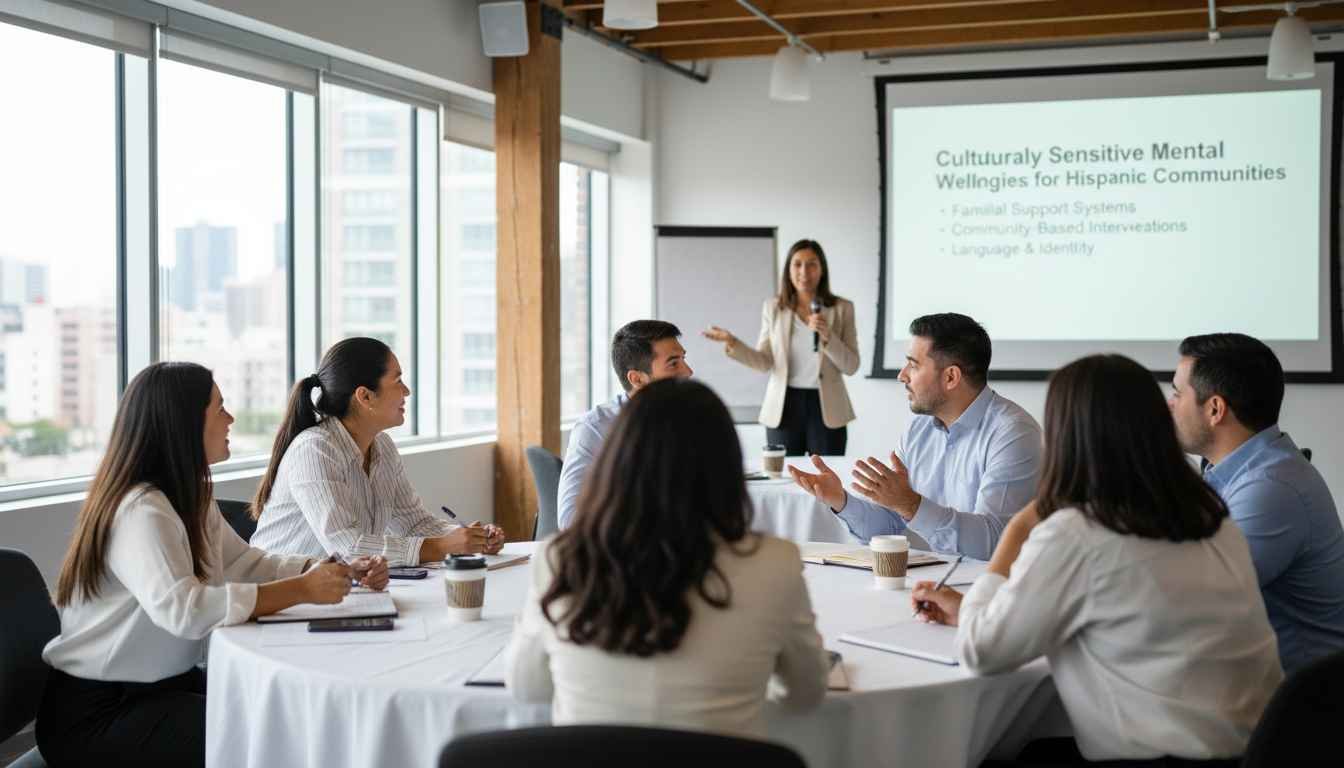
Knowledge is power. I first realized this as I stepped into the vibrant atmosphere of the Hispanic Mental Health Conference. The room buzzed with anticipation, a mix of clinicians, community leaders, and individuals seeking guidance. For someone who has navigated the murky waters of mental health stigma within Hispanic communities, this gathering felt like both a validation and a call to action.
My journey with mental health awareness began years ago, when I watched a close friend struggle in silence. The cultural nuances surrounding mental health – shame, familial expectations, and language barriers – often prevent many from seeking help. Attending this conference offered more than insights; it offered practical tools, research-backed strategies, and a sense of solidarity that is rare in mainstream mental health discussions.
The opening keynote focused on the disproportionate rates of anxiety and depression in Hispanic populations. Studies shared at the conference revealed that nearly 30% of Hispanic adults experience some form of mental health disorder, yet only half receive adequate care. Hearing this, I reflected on my own experiences with limerence and obsessive thought patterns, recognizing that cultural awareness in treatment could have accelerated my path to understanding and healing.
Throughout the day, workshops covered culturally tailored therapy models, bilingual mental health services, and the integration of community-based interventions. One session emphasized the importance of family involvement in mental health recovery, highlighting how traditional values can be both a barrier and a bridge to wellness. As a traveler who often observes different community dynamics, it was enlightening to see how personalized approaches significantly increase treatment efficacy.
At one point, I attended a panel on digital mental health resources. Platforms providing online therapy, bilingual hotlines, and culturally sensitive educational content were discussed. It was here I came across a mention of Living with Limerence, which offers guidance for individuals navigating intense emotional attachments, a reminder that mental health support can take many forms, addressing both widespread and specific challenges.
Quote of the Day
“Healing is not linear, but cultural understanding can light the path forward.”
The conference also highlighted the power of storytelling. Personal narratives from participants illustrated resilience and growth, showing that acknowledgment and shared experience can break the isolation often felt in mental health struggles. I shared my own experiences of obsessive infatuation and the mental strain it caused, realizing how much impact open dialogue can have within supportive spaces.
Alternative Options
For those unable to attend in person, several online webinars and recorded sessions are available. Community centers in various cities offer workshops with sliding-scale fees, ensuring accessibility for different budgets. Libraries often host mental health awareness talks, and local support groups provide peer-based guidance. While conferences offer intensive networking and insight, these alternatives ensure continuous learning without financial strain.
Potential Drawbacks
While the Hispanic Mental Health Conference is invaluable, it may not suit everyone. Individuals seeking immediate clinical treatment may find workshops insufficient, and the emphasis on cultural context might feel limiting for those looking for broad-based approaches. Additionally, some sessions are intensive and require pre-registration, making spontaneity difficult. Awareness of these limitations ensures participants approach the event with realistic expectations.
Leaving the conference, I carried more than knowledge; I carried motivation. The personal connections, culturally attuned strategies, and research-driven insights reinforced the importance of proactive mental health engagement. Whether you are a clinician, a community organizer, or someone navigating personal challenges, the lessons from this conference remain relevant, actionable, and inspiring. Cultural sensitivity is not just an add-on – it is central to effective mental health support.
In reflection, attending the Hispanic Mental Health Conference reaffirmed that understanding, openness, and targeted strategies create lasting impact. As someone who has journeyed through limerence and observed the struggles of those around me, I can confidently say that investing in such culturally aware spaces is not just beneficial – it is essential.