
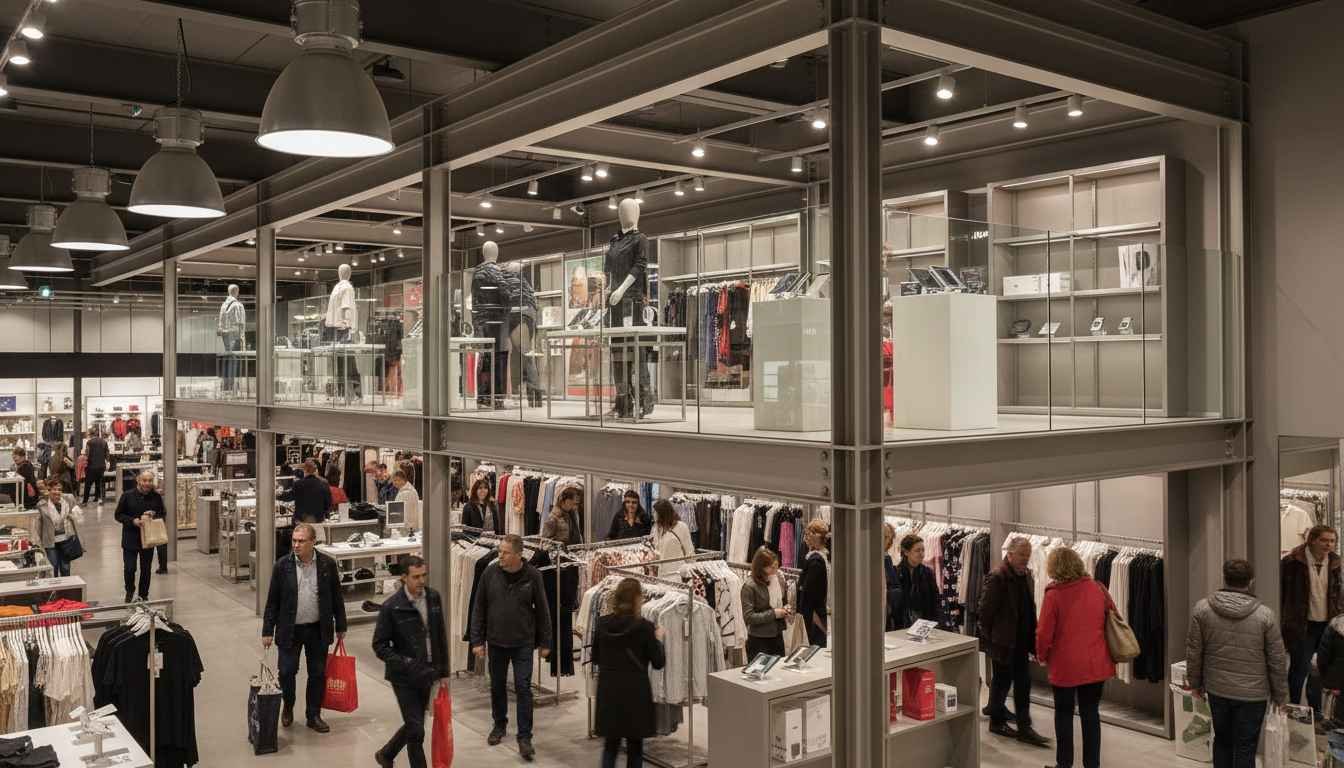
Picture this: you walk into a bustling retail store, and your eyes immediately take in a sense of order and spaciousness. The store feels larger than it actually is, yet every corner seems purposeful and accessible. The secret behind this seamless layout often lies in the strategic use of a retail mezzanine floor. These intermediate levels can dramatically enhance floor space, improve customer flow, and create additional areas for merchandising, all without the cost of relocating or expanding the building footprint.
Implementing a mezzanine floor in a retail environment is not merely an architectural decision; it is a strategic business move. However, understanding its benefits, limitations, and regulatory requirements is crucial before investing in one. In this article, we will explore the practical applications, advantages, and potential drawbacks of retail mezzanine floors using detailed comparisons and data-driven insights.
1. Understanding the Basics of Retail Mezzanine Floors
A retail mezzanine floor is an intermediate level between the main floors of a building, typically constructed to optimize vertical space. Unlike permanent upper floors, mezzanines are often designed to be flexible, lightweight, and adaptable to changing retail needs. They can serve as additional storage, display space, office areas, or even small dining zones in mixed-use stores.
The design and installation of mezzanine floors require careful consideration of load-bearing capacity, structural integrity, and safety compliance. This ensures that the added floor does not compromise the building’s overall stability.
Key Considerations
Height clearance, stair placement, and egress routes are essential in designing a mezzanine floor. Local building codes often specify minimum clearances, fire safety measures, and maximum load limits. Retailers must consult with certified structural engineers and local authorities to ensure compliance.
2. Comparative Overview of Retail Mezzanine Floor Types
Retail mezzanine floors come in various materials and structural designs. Choosing the right type can influence installation cost, durability, and adaptability. The following table provides a comparative analysis of common mezzanine floor types.
| Type | Material | Load Capacity | Installation Time | Flexibility | Maintenance |
|---|---|---|---|---|---|
| Steel Frame Mezzanine | Galvanized Steel | High (up to 1000 kg/m²) | Moderate | High, can be reconfigured | Low, corrosion-resistant coatings |
| Aluminum Mezzanine | Aluminum Alloy | Moderate (up to 600 kg/m²) | Fast | Medium, lightweight panels allow some reconfiguration | Low, rust-free material |
| Timber Mezzanine | Engineered Wood | Moderate (up to 500 kg/m²) | Moderate | Low, limited reconfiguration options | Medium, requires periodic inspection for wear and moisture |
| Modular Mezzanine | Steel or Aluminum Modular Panels | Varies based on design | Fast | High, easily dismantled or relocated | Low, components are durable and replaceable |
3. Benefits of Installing a Retail Mezzanine Floor
Retailers implement mezzanine floors to achieve several strategic benefits:
- Enhanced Floor Space: A mezzanine effectively doubles usable square footage without expanding the building footprint, which is ideal for high-rent urban locations.
- Improved Customer Experience: By creating distinct zones, mezzanines can separate product categories, highlight promotions, or provide comfortable browsing areas.
- Cost Efficiency: Constructing a mezzanine floor is generally less expensive than building a new floor or relocating to a larger site.
- Flexibility: Modular and steel mezzanines allow adjustments to layout as product lines or store concepts evolve.
- Operational Optimization: Mezzanine floors can serve as discreet storage or back-office areas, freeing up primary sales floors for merchandise display.
For retailers seeking a combination of affordability, durability, and adaptability, companies like Sarcoinc provide tailored mezzanine solutions that integrate structural engineering expertise with retail-specific design insights.
4. Potential Drawbacks and Who Should Avoid This
Despite their benefits, mezzanine floors are not suitable for all retail scenarios. Potential drawbacks include:
- Structural Limitations: Older buildings or those with low ceilings may not safely accommodate a mezzanine floor.
- Regulatory Constraints: Fire codes, accessibility laws, and building permits can complicate or delay installation.
- Maintenance Requirements: Certain materials, such as timber, require regular inspections and maintenance to prevent degradation.
- Operational Challenges: Excessive stacking or storage on a mezzanine floor can lead to safety hazards if load limits are exceeded.
Retailers in small or historical buildings with strict regulations may find mezzanine installation impractical. Consulting with architects and compliance experts is essential before proceeding.
5. Design Elements That Enhance Mezzanine Efficiency
Effective mezzanine design combines aesthetics, safety, and functionality. Key elements include:
- Strategic Stair Placement: Ensures smooth customer flow and emergency egress.
- Load-Bearing Planning: Aligns with shelving, displays, and operational needs.
- Lighting Integration: Proper illumination enhances product visibility and safety.
- Accessibility: Elevators or ramps may be required to accommodate staff or customers with mobility needs.
- Modular Partitions: Allows for flexible division of space for different product categories or operational functions.
6. Cost Analysis and ROI Considerations
The cost of a retail mezzanine floor varies based on material, design complexity, and building requirements. Steel mezzanines typically range from $50–$150 per square foot, while timber options can be slightly lower. Modular systems offer a balance of upfront cost and long-term flexibility. Calculating return on investment (ROI) involves factoring in increased sales from additional display areas, improved operational efficiency, and potential rent savings by maximizing current space.
Studies show that retail spaces with mezzanines can achieve a 20–30% increase in sales per square foot when effectively designed and merchandised. Additionally, mezzanines can enhance staff productivity by providing organized back-office storage and reducing clutter on primary sales floors.
7. Safety and Compliance Guidelines
Retail mezzanine floors must adhere to strict safety standards. Some critical considerations include:
- Load Ratings: Ensure the floor supports both static and dynamic loads, including foot traffic, furniture, and merchandise.
- Fire Safety: Incorporate sprinklers, fire-resistant materials, and clear evacuation routes.
- Handrails and Barriers: Prevent accidental falls with guardrails and safety barriers.
- Accessibility Compliance: Follow ADA or local standards for ramps and lifts where necessary.
- Periodic Inspections: Routine structural assessments prevent long-term degradation and safety risks.
8. Case Study Comparison
| Store Type | Mezzanine Application | Benefit | Outcome |
|---|---|---|---|
| Fashion Retailer | Upper-level display for seasonal collections | Improved product visibility and shopper navigation | 25% increase in seasonal sales |
| Electronics Store | Back-office storage and staff area | Maximized sales floor space | 15% higher floor utilization efficiency |
| Bookstore | Reading lounge and small café | Enhanced customer experience and dwell time | 30% increase in average visit duration |
9. Planning Your Retail Mezzanine Floor
Before committing to a mezzanine floor, retailers should follow a structured planning process:
- Assess Space Needs: Identify what functions the mezzanine will serve (storage, display, offices).
- Consult Structural Engineers: Evaluate load capacity and building constraints.
- Review Regulations: Ensure compliance with local building codes, fire safety, and accessibility laws.
- Choose Materials and Design: Balance cost, durability, and flexibility.
- Plan Installation and Timeline: Minimize disruption to ongoing operations.
- Implement Safety Measures: Include handrails, signage, and proper lighting.
- Monitor Performance: Track ROI, customer flow, and operational improvements.
By following these steps, retailers can implement mezzanine floors that deliver maximum efficiency, safety, and profitability.
Conclusion
Retail mezzanine floors offer a practical solution for optimizing space, improving customer experience, and enhancing operational efficiency. When carefully planned and executed, they provide substantial ROI and long-term adaptability for growing retail businesses. While they require consideration of structural, regulatory, and safety factors, their benefits often outweigh the drawbacks, making them a strategic investment for retailers looking to maximize every square foot of their store.