In the ever-evolving world of digital art, the pursuit of mastering digital painting techniques has become more urgent than ever. Artists, both aspiring and seasoned, are racing against time to harness the power of digital tools to create stunning, high-quality artwork. The digital canvas offers limitless possibilities, but without the right guidance and techniques, it’s easy to feel lost in a sea of options. This article delves into essential tips and strategies to help you navigate the complexities of digital painting, ensuring your art stands out in a crowded digital landscape.
Understanding the Basics: The Foundation of Digital Painting
Before diving into the intricate world of digital painting, it’s crucial to grasp the foundational elements that underpin all great artwork. Understanding color theory, composition, and lighting is paramount. These principles serve as the bedrock upon which all digital masterpieces are built. Without a solid grasp of these basics, even the most advanced techniques can fall flat. Imagine attempting to paint a portrait without understanding how light interacts with the face or how colors can evoke specific emotions. The result would likely be a lifeless image, lacking depth and resonance. Therefore, dedicating time to study and practice these fundamentals is not just recommended; it’s essential for any artist serious about producing high-quality digital artwork.
Choosing the Right Tools: Software and Hardware Essentials
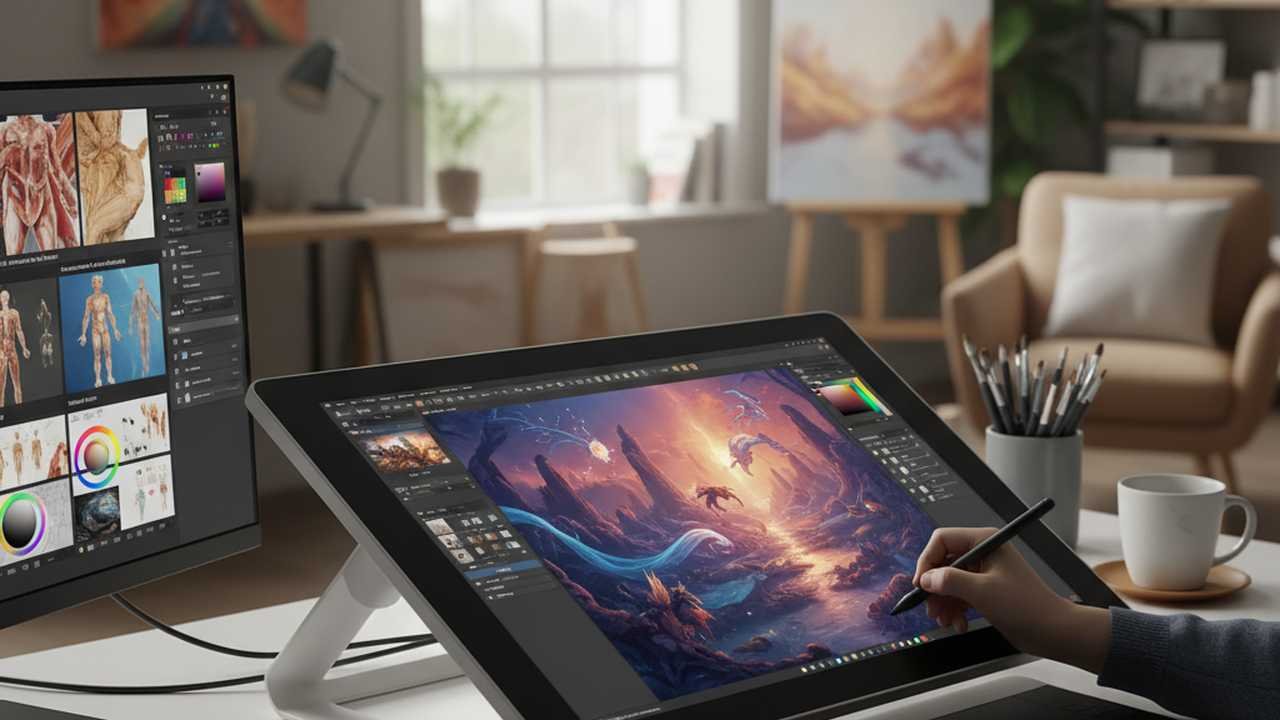
The tools you use can significantly impact the quality of your digital paintings. While many artists start with free software, investing in professional-grade tools can elevate your work to new heights. Programs like Adobe Photoshop, Corel Painter, and Clip Studio Paint offer advanced features that cater to various artistic needs. Additionally, pairing these software options with a high-quality graphics tablet can provide the precision and control necessary for detailed work. The tactile feedback from a stylus on a tablet can mimic traditional painting techniques, offering a more intuitive and satisfying experience. Without the right tools, you’re limiting your potential and making the journey to high-quality artwork more challenging than it needs to be.
Mastering Brushes: The Heartbeat of Digital Painting
In digital painting, brushes are your primary instruments for creating texture, depth, and detail. Mastery over brush settings – such as opacity, flow, and blending modes – can transform a flat image into a dynamic piece of art. Experimenting with different brushes allows you to replicate various traditional mediums, from oil paints to watercolors, giving your digital paintings a rich, authentic feel. However, it’s not just about using the right brushes; it’s about understanding how to manipulate them to achieve your desired effects. This level of control comes with practice and a deep understanding of your tools. Without this mastery, your digital paintings may lack the nuance and sophistication that characterize high-quality artwork.
Color and Lighting: Breathing Life into Your Creations
Color and lighting are not merely aesthetic choices; they are powerful storytelling tools in digital painting. The way you use color can set the mood, highlight focal points, and guide the viewer’s eye across the canvas. Similarly, lighting dictates the form and depth of your subjects, adding realism and drama. Understanding how to manipulate both color and lighting can transform a simple scene into a compelling narrative. For instance, a warm, golden light can evoke feelings of nostalgia and comfort, while harsh, contrasting shadows can create tension and mystery. Without a keen understanding of these elements, your digital paintings may fail to convey the intended emotions and messages, resulting in artwork that feels flat and uninspired.
Composition: Structuring Your Artwork for Maximum Impact
Composition is the blueprint of your digital painting. It dictates how elements are arranged within the frame and how the viewer’s eye moves throughout the piece. A well-composed artwork leads the viewer’s gaze naturally, emphasizing key elements and creating a harmonious balance. Techniques such as the rule of thirds, leading lines, and framing can guide you in creating compositions that are both aesthetically pleasing and narratively compelling. However, composition is not just about following rules; it’s about making deliberate choices that serve your artistic vision. Without a strong composition, even the most technically proficient painting can feel disjointed and lacking in focus.
Practice and Patience: The Path to Mastery
Mastery in digital painting does not come overnight. It requires consistent practice, a willingness to learn from mistakes, and the patience to refine your skills over time. Setting aside dedicated time each day to paint, experimenting with new techniques, and seeking constructive feedback can accelerate your growth as an artist. Remember, every artist was once a beginner, and the journey to mastery is filled with challenges and triumphs alike. Embracing this process and remaining committed to continuous improvement is key to producing high-quality digital artwork that stands the test of time.
Seeking Inspiration: Drawing from the World Around You
Inspiration can be found in the most unexpected places. Whether it’s the play of light on a rainy street, the intricate patterns of a leaf, or the emotions conveyed in a piece of music, the world around you is a rich tapestry of ideas waiting to be explored. Observing your surroundings with a keen eye and an open mind can provide a wealth of material for your digital paintings. Additionally, studying the works of other artists, both traditional and digital, can offer new perspectives and techniques to incorporate into your own work. However, it’s important to remember that while inspiration is abundant, it’s your unique interpretation and expression that will make your artwork stand out.
Feedback and Community: Growing Through Collaboration
Engaging with a community of artists can provide invaluable insights and feedback that can propel your work forward. Online forums, social media groups, and local art clubs offer platforms to share your work, receive constructive criticism, and learn from others. Participating in challenges and collaborations can also push you out of your comfort zone, encouraging experimentation and growth. However, it’s essential to approach feedback with an open mind and a discerning eye. Not all criticism will be constructive, and it’s up to you to filter out the noise and focus on the advice that will help you improve. Embracing this collaborative spirit can enrich your artistic journey and lead to the creation of high-quality digital artwork.
Staying Updated: Embracing New Techniques and Technologies
The field of digital painting is constantly evolving, with new techniques, tools, and technologies emerging regularly. Staying updated with these developments can give you a competitive edge and keep your work fresh and innovative. Attending workshops, watching tutorials, and experimenting with new software and hardware can expand your skill set and open up new creative possibilities. However, it’s important to approach these advancements with a critical eye. Not every new tool or technique will align with your artistic goals, and it’s essential to discern which innovations will truly enhance your work. By staying informed and adaptable, you can ensure that your digital paintings remain at the forefront of artistic excellence.
For a deeper understanding, check out our detailed guide on Best Places To which covers related aspects in depth.
To truly harness the potential of these advancements, consider pursuing opportunities that allow you to gain advanced technical skills through apprenticeships and workshops, which can provide hands-on experience and mentorship in your field. By engaging in such programs, you can deepen your expertise and apply new techniques effectively, enhancing your artistic practice even further. For more information on this valuable approach, explore our guide on advanced technical skills.