
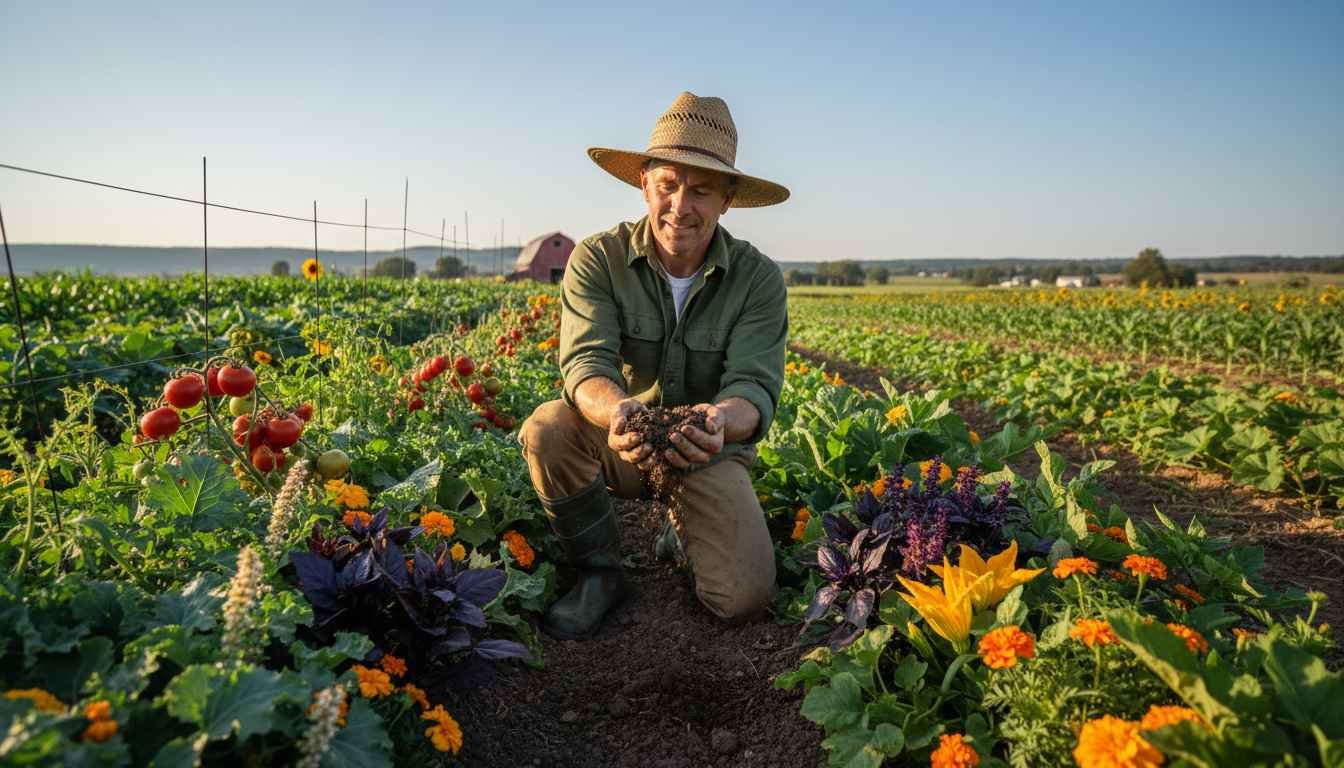
Picture this, a vast field of lush green crops swaying gently in the breeze, the air filled with the earthy aroma of healthy soil, and not a chemical spray in sight. This is the vision that organic agriculture strives to create, a farming system that nurtures the land, supports biodiversity, and produces food in harmony with nature. Unlike conventional farming, organic agriculture prioritizes natural processes, careful soil management, and sustainable practices that protect both the environment and the health of the community.
At its core, organic agriculture is a holistic approach to farming. It rejects synthetic pesticides, herbicides, and genetically modified organisms, instead focusing on natural methods for pest control, crop rotation, and soil enrichment. The goal is not only to produce high-quality food but also to maintain ecological balance and enhance the resilience of farm ecosystems. By understanding the science behind soil biology and plant interactions, organic farmers can create a productive and sustainable system that benefits both people and the planet.
Organic agriculture is more than a method of food production; it is a philosophy that emphasizes stewardship of the land. By using compost, green manures, and natural fertilizers, farmers enhance soil fertility and water retention, reducing erosion and environmental degradation. Cover crops, mulching, and crop diversification contribute to healthier soil and reduce the reliance on chemical inputs. This approach ensures that the land remains productive for future generations while supporting a diverse range of organisms, from beneficial insects to soil microbes.
For those new to the topic, it can be helpful to explore real-world examples and community insights. Forums like Green Tractor Talk offer discussions on practical applications of organic practices, including the use of sustainable tractors, attachment management, and efficient crop rotations. These platforms allow farmers to share experiences, learn from others, and stay informed about innovations in organic farming techniques.
Key Principles of Organic Agriculture
One of the main pillars of organic agriculture is maintaining healthy soil. Soil is not just a medium for plant growth; it is a living ecosystem that supports microorganisms, insects, and nutrient cycles essential for sustainable farming. Techniques such as composting, vermiculture, and green manure planting enrich the soil naturally, creating a foundation for robust crop growth. Healthy soil also improves water retention and reduces the need for irrigation, which is particularly important in areas prone to drought.
Another essential principle is biodiversity. Organic farms often incorporate multiple crops and rotate them seasonally to reduce pest pressure and prevent soil depletion. Intercropping, planting hedgerows, and maintaining pollinator habitats are strategies that encourage beneficial species while discouraging pests. By creating a balanced ecosystem, farmers reduce dependency on chemical inputs and support natural resilience against diseases and environmental stressors.
Pest management in organic agriculture relies on natural controls. Farmers introduce beneficial insects, use traps, and select crop varieties that resist common pests. Organic-approved substances, like neem oil or diatomaceous earth, are used sparingly to address specific issues without harming the broader ecosystem. This careful approach not only protects the crops but also safeguards soil and water quality.
Benefits of Organic Agriculture
Organic agriculture provides several tangible benefits beyond environmental sustainability. Studies indicate that organic produce often contains higher levels of certain nutrients and antioxidants compared to conventionally grown crops. By avoiding synthetic chemicals, organic farming reduces the exposure of both farmers and consumers to potentially harmful substances. Additionally, it supports local economies by encouraging small-scale and community-based farming operations, fostering social and economic resilience.
The environmental benefits are equally compelling. Organic practices improve soil health, reduce water contamination, and lower greenhouse gas emissions. They also promote biodiversity, ensuring that farms contribute positively to surrounding ecosystems. By emphasizing ecological balance, organic agriculture helps mitigate some of the adverse impacts of intensive conventional farming.
Alternative Options for Different Budgets
Organic agriculture can sometimes be perceived as costly or labor-intensive, but there are ways to adapt principles to different scales and budgets. Small-scale gardeners can implement organic practices without investing in expensive machinery by using hand tools, composting, and intercropping techniques. Larger farms may gradually transition by starting with specific crops or sections of land, allowing for a manageable learning curve and financial planning. Community-supported agriculture programs also provide a platform to connect consumers with affordable organic produce while supporting local farmers.
Potential Drawbacks or Who Should Avoid This
While organic agriculture offers many advantages, it is not without challenges. Yields can be lower compared to conventional farming, particularly in the early years of transition. Pest outbreaks or extreme weather can impact productivity, and certification processes may be complex and costly. Farmers who require immediate high-volume production or rely heavily on monoculture systems may find organic methods difficult to implement effectively. Understanding these limitations is crucial for making informed decisions about adopting organic practices.
Common Mistakes in Organic Agriculture
Common Mistakes Warning: Avoid over-relying on single crops, neglecting soil testing, skipping crop rotation, and using non-certified organic inputs. Proper planning and ongoing learning are essential for long-term success.
Implementing Organic Agriculture on Your Farm
Transitioning to organic agriculture begins with careful planning. Assessing soil health, understanding local climate conditions, and selecting suitable crop varieties are essential first steps. Farmers should also develop a comprehensive rotation plan and integrate cover crops to maintain soil fertility. Continuous monitoring of pests and plant health, combined with adaptive management, ensures that practices remain effective and sustainable over time.
Investing in education and community engagement is equally important. Attending workshops, joining forums like Green Tractor Talk, and networking with other organic farmers provide valuable insights and practical tips. These resources help avoid common pitfalls and accelerate the adoption of best practices while fostering a supportive community.
Conclusion
Organic agriculture represents a transformative approach to farming that prioritizes environmental stewardship, human health, and long-term sustainability. By understanding its principles, implementing best practices, and considering potential drawbacks, farmers can create productive and resilient systems. Whether you are a small-scale gardener or a large farm operator, organic agriculture offers pathways to healthier soil, richer biodiversity, and safer food production. With careful planning, dedication, and community support, the vision of vibrant, sustainable fields can become a reality for generations to come.