
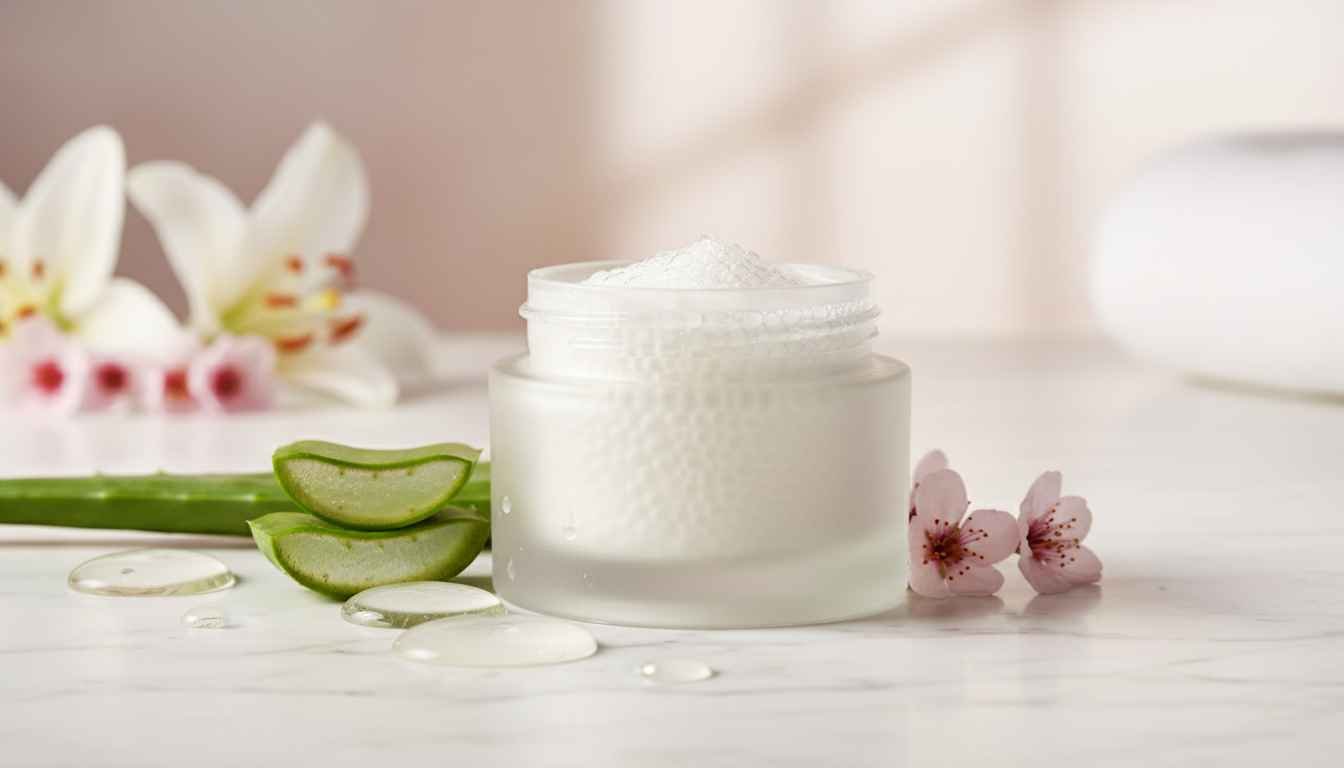
Experience a new frontier in skincare where hydration meets innovation. Bubble skincare moisturizers are transforming daily routines, offering lightweight textures that deliver deep moisture while incorporating playful foaming technology. By the end of this analysis, you will understand the full spectrum of benefits, limitations, opportunities, and threats associated with integrating this product into your regimen, allowing you to make an informed choice for healthier, more radiant skin.
History of Bubble Skincare Moisturizers
The concept of bubble skincare emerged in the early 2010s in South Korea, where beauty brands have long prioritized combining efficacy with sensory experiences. Initially designed as cleansers that aerated upon contact with water, these formulations gradually evolved into moisturizers that use oxygenation and microbubbles to enhance ingredient absorption. By 2020, bubble moisturizers gained international attention for their ability to deliver lightweight hydration while maintaining a luxurious feel. This evolution underscores the scientific innovation behind seemingly simple, foam-based skincare products, illustrating that they are not just gimmicks but carefully engineered solutions for modern skin concerns.
Strengths
Bubble skincare moisturizers boast several compelling strengths that distinguish them from traditional creams. First, their lightweight texture allows for rapid absorption, making them ideal for individuals with combination or oily skin. Unlike heavier creams, these moisturizers create a breathable layer that locks in moisture without clogging pores. Their aerated composition also promotes oxygen circulation on the skin’s surface, which can enhance the skin’s natural repair processes.
Another notable strength is the sensory appeal. The foaming effect delivers a unique tactile experience, making daily skincare feel engaging and enjoyable. This can improve adherence to routines, which is a crucial but often overlooked factor in skincare efficacy. Furthermore, many bubble moisturizers are formulated with hydrating ingredients such as hyaluronic acid, glycerin, and botanical extracts, offering both immediate hydration and long-term skin benefits.
Importantly, these products often contain fewer occlusive agents and artificial thickeners, reducing the likelihood of irritation and promoting better skin compatibility. Users seeking a lightweight yet effective moisturizer may find that bubble formulations outperform heavier alternatives, especially under humid conditions where traditional creams can feel sticky or heavy.
Weaknesses
Despite their advantages, bubble moisturizers have limitations. One key weakness is their relatively short-lasting hydration compared to richer creams. The aerated formula, while light and refreshing, can evaporate more quickly, requiring more frequent application. This may not suit individuals with very dry or mature skin types who require long-term moisture retention.
Additionally, some formulations can be costly due to the novelty of the technology and the specialized ingredients involved. Price sensitivity can therefore be a barrier to adoption for budget-conscious consumers. Another potential concern is ingredient concentration. To maintain a light, foamy texture, some products may include lower levels of active moisturizing agents compared to traditional creams, which can reduce their effectiveness for severely dehydrated skin.
The texture itself, while novel, may also present a learning curve for new users. Applying and evenly spreading a foam-based moisturizer requires slightly different techniques than with traditional creams, which could discourage some users from fully adopting the product.
Opportunities
The bubble skincare trend presents several exciting opportunities for both consumers and brands. For users, this format allows experimentation with multi-step skincare routines without feeling heavy or overwhelming. Bubble moisturizers can also serve as an introduction to more advanced hydration technologies, such as oxygen-infused serums or encapsulated actives.
Brands have the opportunity to expand their product lines by integrating additional benefits into the bubble format, such as anti-aging peptides, antioxidants, or probiotics. This could attract a wider demographic looking for multifunctional skincare products. Moreover, with sustainability becoming a critical purchasing factor, there is potential for developing eco-friendly, biodegradable packaging that aligns with the lightweight and innovative nature of the product.
As we navigate the ever-evolving world of skincare, the quest for youthful, radiant skin remains a universal goal. Among the plethora of options available, Korean skincare has gained immense popularity for its innovative formulations and holistic approach to beauty. However, with so many products and techniques out there, it can be overwhelming to determine what actually works. In our exploration of the best anti aging korean skincare practices, we will delve into the crucial dos and don’ts that can help you achieve that coveted timeless glow. By understanding these essential guidelines, you can make informed choices and tailor your routine to not only enhance your skin’s appearance but also its overall health.
Consumers can further benefit by pairing bubble moisturizers with other lightweight, breathable formulations to create layered skincare routines that address hydration, tone, and texture simultaneously. For anyone curious about integrating these products into their daily regimen, Face Foundrie offers expert guidance on choosing formulations that align with individual skin goals.
Threats
Despite the appeal, bubble skincare moisturizers face certain threats. Competition from traditional creams and emerging hydrating serums remains strong, as these options often promise longer-lasting moisture and proven results. Consumer skepticism can also pose a challenge; some users may perceive foaming moisturizers as a gimmick rather than a serious skincare solution.
Market trends are volatile, and the novelty factor that drives initial interest may fade over time, impacting brand loyalty and sales. Additionally, sensitivity to foaming agents or preservatives can trigger reactions in individuals with delicate skin, potentially limiting the target audience. Regulatory changes regarding skincare ingredients in various regions could also influence formulation strategies and market availability.
Potential Drawbacks and Who Should Avoid This
While bubble moisturizers are suitable for most skin types, they are not universally ideal. Individuals with extremely dry or eczema-prone skin may find that these formulations do not provide sufficient long-lasting hydration. Likewise, those sensitive to fragrance or surfactant-based foaming agents should proceed with caution, as these components can sometimes trigger irritation.
It’s also worth noting that relying solely on a bubble moisturizer without supplemental hydration or barrier-reinforcing products may not address deeper or chronic dryness. Users with advanced skin concerns, such as deep wrinkles or compromised skin barriers, should consider combining bubble moisturizers with targeted treatments for optimal results.
FAQ
How often should I apply a bubble skincare moisturizer?
Most formulations are designed for twice-daily use, morning and evening. Individuals with dry skin may benefit from additional applications or pairing with a richer night cream.
Can bubble moisturizers be used under makeup?
Yes. Their lightweight, fast-absorbing texture allows for smooth layering under foundation or BB cream without causing pilling or greasiness.
Are bubble moisturizers suitable for sensitive skin?
Many are formulated to be gentle, but users should check for potential irritants such as fragrances or sulfates. Patch testing is recommended for sensitive skin types.
Do bubble moisturizers replace serums?
They complement rather than replace serums. While they hydrate and improve absorption, targeted treatments like antioxidants or anti-aging peptides should still be used if desired.
What makes bubble moisturizers different from traditional creams?
The main difference is texture and delivery. Bubble moisturizers aerate upon application, promoting better absorption and a lighter feel, whereas traditional creams provide a thicker, longer-lasting barrier.