
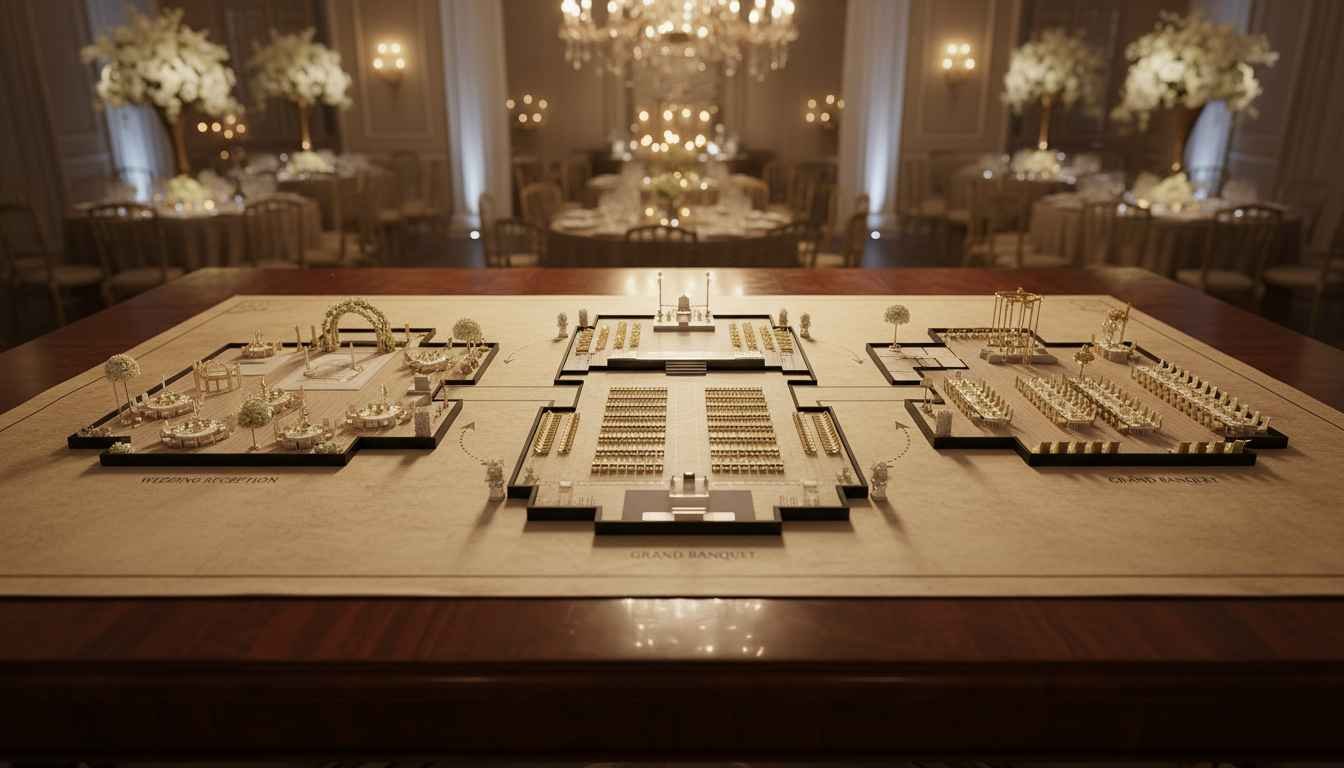
Discover how the right event center floor plan can elevate your wedding, corporate event, or milestone celebration. The layout of your venue dictates flow, ambiance, and guest experience, turning an ordinary space into a seamless, unforgettable event. Whether you are hosting an intimate gathering or a grand gala, understanding the elements of strategic floor planning is crucial to achieving your vision.
From seating arrangements to stage placement and buffet stations, every square foot counts. A thoughtfully designed floor plan minimizes congestion, enhances visibility, and optimizes movement, ensuring guests feel comfortable and engaged. By mastering the art of layout planning, you gain the power to shape interactions, highlight focal points, and control the atmosphere of your event from start to finish.
Event center floor plans are more than just tables and chairs; they are a blueprint for guest experience. Effective planning takes into account not only aesthetics but also logistics – entryways, exits, restrooms, and emergency access. Planning early allows for smooth coordination with vendors, decorators, and staff, ensuring each element works in harmony.
Understanding the Core Types of Floor Plans
Different event types demand distinct floor plan approaches. For weddings, banquet-style seating fosters intimacy, while theater-style arrangements suit presentations or performances. Cocktail-style setups promote mingling and flexibility, perfect for networking events or launch parties. Hybrid plans, combining elements of multiple styles, offer the adaptability required for complex or multi-faceted events.
When planning your floor layout, always consider guest count, venue dimensions, and functional requirements. A room that feels spacious with one setup can become cramped with another. Utilizing scaled diagrams helps visualize traffic flow and ensures all critical areas, like bars or dance floors, are positioned strategically.
Key Components That Elevate Floor Plans
Lighting, furniture placement, and focal areas work together to define the success of an event layout. Strategic positioning of tables ensures that guests can interact naturally without obstructing pathways. Dance floors or performance stages should be central yet accessible, and buffet lines or bars need clear entry and exit points to prevent bottlenecks.
Consider accessibility and safety in every decision. Wide aisles and unobstructed exits are essential, while decorative elements should complement, not hinder, the space. Properly integrating technology – sound systems, screens, or lighting controls – further enhances functionality, creating a fluid, immersive experience for all attendees.
Advanced Tips for Maximizing Event Center Floor Plans
Leverage zones within the venue to create different experiences. For example, a lounge area offers a quieter retreat, while a high-energy zone near the dance floor encourages movement. Modular furniture and movable partitions allow for flexible adjustments on the fly, adapting to changing needs during the event.
Consider sightlines for both speakers and performers. Every guest should have a clear view of the focal points without feeling obstructed. Elevating key areas like stages or head tables can enhance visibility, while mirrors or strategic décor placement can create a sense of spaciousness.
Technology integration is increasingly vital. Digital mapping tools can simulate layouts in 3D, allowing planners to tweak arrangements before committing. These simulations also assist in spacing calculations, ensuring compliance with capacity limits and accessibility standards.
Alternative Options for Every Budget
Not every event center allows for extensive customization, but there are solutions for every budget. For smaller spaces, consider folding tables, multi-functional furniture, or temporary partitions to create zones. For larger venues, investing in professional layout software or hiring a dedicated floor plan consultant can save time and enhance the guest experience. Renting specialty décor and modular furniture can also offer upscale aesthetics without permanent modifications.
In the fast-paced world of the pharmaceutical industry, organizing successful events is crucial for fostering collaboration, sharing knowledge, and driving innovation. However, many companies fall short when it comes to effective event planning strategies, which can lead to missed opportunities and wasted resources. Understanding the common pitfalls is essential for professionals looking to enhance their approach. This article will delve into the nuances of pharmaceutical event planning, highlighting strategies that often miss the mark and offering insights into how to avoid these missteps. By learning from these mistakes, organizations can better position themselves for impactful engagements that resonate with their audience and achieve their goals.
Some venues provide pre-designed templates tailored to common event types. These can be cost-effective starting points, allowing you to tweak elements instead of building a layout from scratch. Even minimal adjustments, like repositioning a stage or reorienting seating, can significantly improve flow and guest satisfaction.
For inspiration and resources on unique event details, Beau-coup offers a wide selection of wedding favors, baby shower gifts, and party supplies that complement your chosen floor plan and overall theme.
Potential Drawbacks and Considerations
While floor planning is powerful, it comes with challenges. Overcomplicating layouts can confuse guests and staff alike. Venues with fixed structures may limit flexibility, requiring creative workarounds. Additionally, last-minute changes to guest lists or entertainment setups can disrupt carefully planned arrangements.
Some planners underestimate the importance of entry and exit flow, leading to congestion during peak moments. Always run through mock setups and test key pathways to prevent bottlenecks. Safety regulations must also remain a top priority – exits, fire codes, and accessibility standards cannot be compromised for aesthetic considerations.
Glossary
Banquet-Style Seating: Rows of tables with chairs, ideal for meals and intimate conversation.
Theater-Style Seating: Rows of chairs facing a focal point, suitable for presentations or performances.
Cocktail-Style Setup: Standing or high-top tables that encourage mingling and networking.
Hybrid Floor Plan: A combination of multiple seating and layout styles to meet diverse needs.
Focal Point: The area of the event where attention is directed, such as a stage or head table.
Sightline: The unobstructed view from a guest’s seat to the focal point.
Bringing It All Together
Event center floor plans are the blueprint for successful gatherings. They dictate movement, visibility, and guest interaction while balancing aesthetics and functionality. By understanding different layouts, incorporating zones, optimizing flow, and considering accessibility, planners can transform ordinary spaces into extraordinary experiences.
Ultimately, the goal is to create a venue that feels intuitive and welcoming, where guests can engage, celebrate, and enjoy every moment. Investing time in planning your floor layout is not just about tables and chairs – it’s about crafting the environment that supports the memory-making magic of your event.