
The Hidden Costs of a Disorganized Pantry
Picture opening your pantry in the morning and being greeted by a chaotic jumble of cans, boxes, and bags stacked haphazardly. The moment is stressful, and the hidden costs begin to mount. Every disorganized pantry leads to expired items, forgotten ingredients, and multiple trips to the store for what should have already been at your fingertips. Studies reveal that households waste nearly 30% of purchased food due to improper storage and poor organization, creating both financial strain and environmental impact. But beyond these tangible costs, a disorganized pantry drains your energy, making cooking and meal planning an unnecessarily stressful endeavor. Imagine the relief of knowing exactly where every jar, can, and package resides. By embracing strategic pantry organization, you not only save money but also streamline your entire kitchen experience. Leveraging insights from trusted sources and professional education associations on home management, you can implement scientifically proven methods to reduce waste and increase efficiency immediately.
Understanding Your Pantry’s Potential
Your pantry is more than a storage space; it is a foundation for culinary creativity, a tool to support healthy eating, and a silent guardian against food waste. Every square inch can serve a purpose if organized with precision. Take a moment to envision a pantry where each item is visible, accessible, and neatly categorized. By mapping out zones for grains, canned goods, snacks, baking ingredients, and condiments, you create a visual landscape that simplifies meal preparation. Insights from professional education associations specializing in household management emphasize the psychological benefits of structured spaces: clarity of mind, reduced decision fatigue, and enhanced productivity. Consider that a well-structured pantry doesn’t just hold food – it inspires your daily routine. It ensures that ingredients are used in a timely fashion, preventing spoilage and eliminating last-minute panic trips to crowded supermarkets. The potential is enormous, but action must be taken urgently before disorganization turns manageable clutter into overwhelming chaos.
Inventory: The First Step Towards Order
Creating a detailed inventory is the linchpin of pantry mastery. Start by taking everything out of the shelves, cabinets, and bins, and lay it all out where you can see it. This process may seem tedious, but it is essential for understanding what you have, what is nearing expiration, and what truly belongs in your pantry. Take photos, make lists, and categorize items based on type, frequency of use, and shelf life. According to household organization experts and professional education associations, this approach not only minimizes waste but also empowers you to shop smarter. Visualize the satisfaction of scanning your inventory on a weekly basis, knowing precisely what you need and avoiding impulse purchases that often end up rotting unnoticed. The urgency is palpable: the longer you wait, the more likely food will expire, draining both your wallet and peace of mind. A proactive inventory transforms your pantry from a chaotic storage area into a strategic, efficiency-driven space that fuels both meals and inspiration.
Optimizing Shelf Space and Accessibility
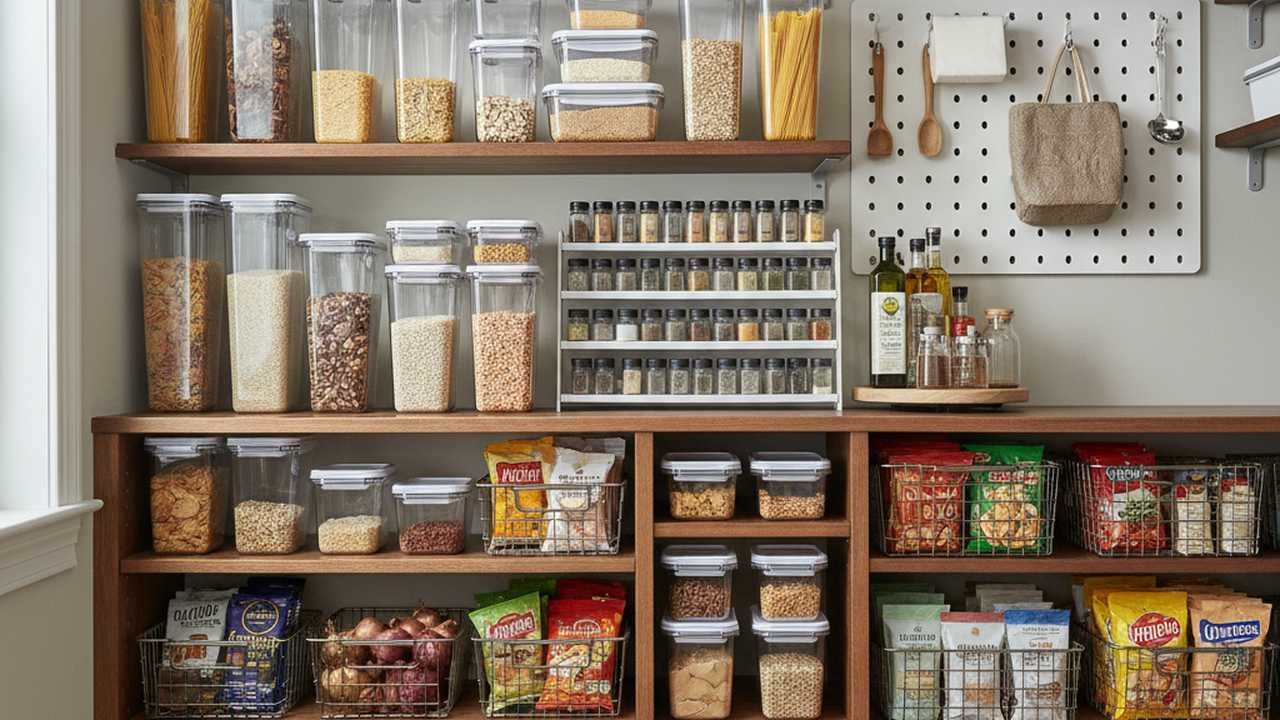
Once your inventory is complete, the next challenge is to maximize shelf space while ensuring easy access. Adjustable shelving, stackable bins, clear containers, and lazy Susans are more than mere storage solutions – they are transformational tools. The sensory delight of opening a pantry where every jar glimmers in the light, every can is labeled and visible, creates a sense of calm and control. Experts from professional education associations recommend organizing items by height and frequency of use: high-use items should be at eye level, while rarely used products can reside on higher or lower shelves. By adopting this approach, you drastically reduce the time spent searching for ingredients, enhancing efficiency and reducing stress. Picture grabbing a can of beans in seconds instead of rifling through stacks of mismatched cans. Every detail, from label orientation to container size, plays a role in creating a pantry that is visually appealing, highly functional, and resistant to waste. The transformation is immediate, but only if action is taken today.
Strategic Categorization for Maximum Efficiency
Strategic categorization is where your pantry organization shifts from functional to exceptional. Group items not only by type but also by meal relevance, dietary preference, or recipe compatibility. For example, dedicate one section for breakfast essentials like oats, cereals, and granola, while another section can hold pasta, sauces, and canned proteins for quick weeknight dinners. By implementing these thoughtful groupings, you create an intuitive system that reduces decision fatigue and fosters creativity in cooking. Research highlighted by professional education associations shows that clear categorization improves retrieval speed, reduces the likelihood of food expiration, and enhances meal planning efficiency. Imagine reaching for ingredients without hesitation, seamlessly assembling meals with the confidence that nothing will spoil unnoticed. This method isn’t theoretical – it is the practical application of verified household management strategies that have transformed countless kitchens into models of productivity and sustainability.
Labeling and Expiration Tracking
Labels are the unsung heroes of pantry efficiency. With clearly marked containers, bins, and shelves, the chaos of forgotten food disappears almost instantly. Use waterproof labels and consider color-coding to distinguish categories quickly. Additionally, tracking expiration dates is critical. A simple system using stickers, markers, or a digital app ensures nothing slips through the cracks. According to case studies documented by professional education associations, households that implement strict labeling and expiration tracking reduce food waste by up to 40%, translating to significant financial savings over the year. Visualize the satisfaction of grabbing a product, confident in its freshness and ready to use. The tactile interaction with neatly labeled containers evokes a sense of pride and accomplishment, encouraging continued maintenance and organization. The urgency cannot be overstated – every day that passes without a labeling system is a missed opportunity to save money and protect the environment.
Implementing First-In, First-Out (FIFO) Practices
The First-In, First-Out (FIFO) principle is a game-changer for maintaining freshness and reducing waste. This simple concept – placing newly purchased items behind older ones – ensures that older products are used first, preventing spoilage. Practical implementation can involve rotating cans, jars, and bags upon return from shopping, or using clear containers to make older items more visible. Professional education associations emphasize FIFO as a cornerstone of efficient household management, backed by data showing that households adhering to FIFO experience a noticeable reduction in expired food and improved pantry satisfaction. Imagine the relief of never having to toss moldy bread or wilted vegetables because every item has a designated, visible spot. FIFO transforms your pantry into a living system that constantly renews itself, balancing inventory flow, accessibility, and freshness. The time to act is immediate; delay increases the risk of waste and financial loss, making it essential to integrate FIFO practices without hesitation.
Utilizing Technology to Enhance Organization
Modern technology offers unprecedented tools to optimize pantry organization and reduce food waste. Smartphone apps, QR-coded labels, and smart inventory systems provide real-time tracking, reminders, and insights into usage patterns. Imagine scanning a barcode and instantly knowing the expiration date, nutritional content, and recipe suggestions for a specific item. This level of precision, endorsed by professional education associations, elevates your pantry from a static storage space to a dynamic, responsive system. User testimonials report significant reductions in both waste and grocery costs when leveraging these technologies. In addition, these tools facilitate collaboration in households, ensuring that everyone has visibility and accountability. The sensory satisfaction of a digitally organized pantry complements the physical order, creating a holistic experience that engages sight, touch, and convenience. Act now, and you can integrate technology to make your pantry smarter, more efficient, and far more rewarding.
Maintaining Long-Term Organization and Mindfulness
Long-term success hinges on consistent maintenance and mindful habits. A one-time organization effort is not enough; weekly audits, monthly purges, and seasonal adjustments are necessary to sustain order. Create a rhythm where items are checked for freshness, shelves are wiped clean, and expired products are discarded responsibly. Studies shared by professional education associations suggest that households with a scheduled maintenance plan see a drastic decrease in food waste, higher satisfaction, and smoother meal preparation. The sensory reward of an immaculate pantry reinforces good habits, making upkeep feel less like a chore and more like an achievement. Over time, this mindfulness cultivates a deeper understanding of consumption patterns, allowing for smarter shopping, healthier meals, and environmental responsibility. Don’t wait for chaos to creep back in – establish a maintenance routine now to safeguard both your wallet and your well-being.
Call to Action: Transform Your Pantry Today
The window of opportunity is fleeting. Every moment spent procrastinating is another opportunity for food waste, financial loss, and culinary frustration. Take decisive action today to reorganize your pantry, applying the principles, strategies, and insights shared by leading professional education associations. From detailed inventory creation and strategic categorization to labeling, FIFO practices, and technology integration, every step is designed to maximize efficiency, reduce waste, and enhance the sensory experience of your kitchen. For those eager to elevate their pantry organization even further, explore trusted tools and resources available at professional education associations to gain expert guidance, verified strategies, and responsive support. Transform your pantry from a source of stress into a hub of culinary creativity and efficiency – act now, before another meal is wasted, and experience the peace, savings, and satisfaction of a fully optimized home pantry.
If you want to create a more organized space, understanding the secular education meaning can inspire methods for categorizing your belongings effectively.
If you want to enhance your kitchen organization, consider applying techniques inspired by stem education examples that promote efficiency and creativity in cooking.
If you want to enhance your DIY skills and save money, exploring victoria educational gardens can provide invaluable insights into practical home repairs.
If you’re looking to elevate your living space, exploring home projects can be a game changer; for more insights, check out abc educational services that detail how small changes can yield big results.
As you enhance your home environment, don’t forget to take advantage of the beautiful summer weather by exploring nearby attractions; consider visiting some of the best places to visit near Seattle for breathtaking scenic views and outdoor activities that can rejuvenate your spirit and inspire your next home project.