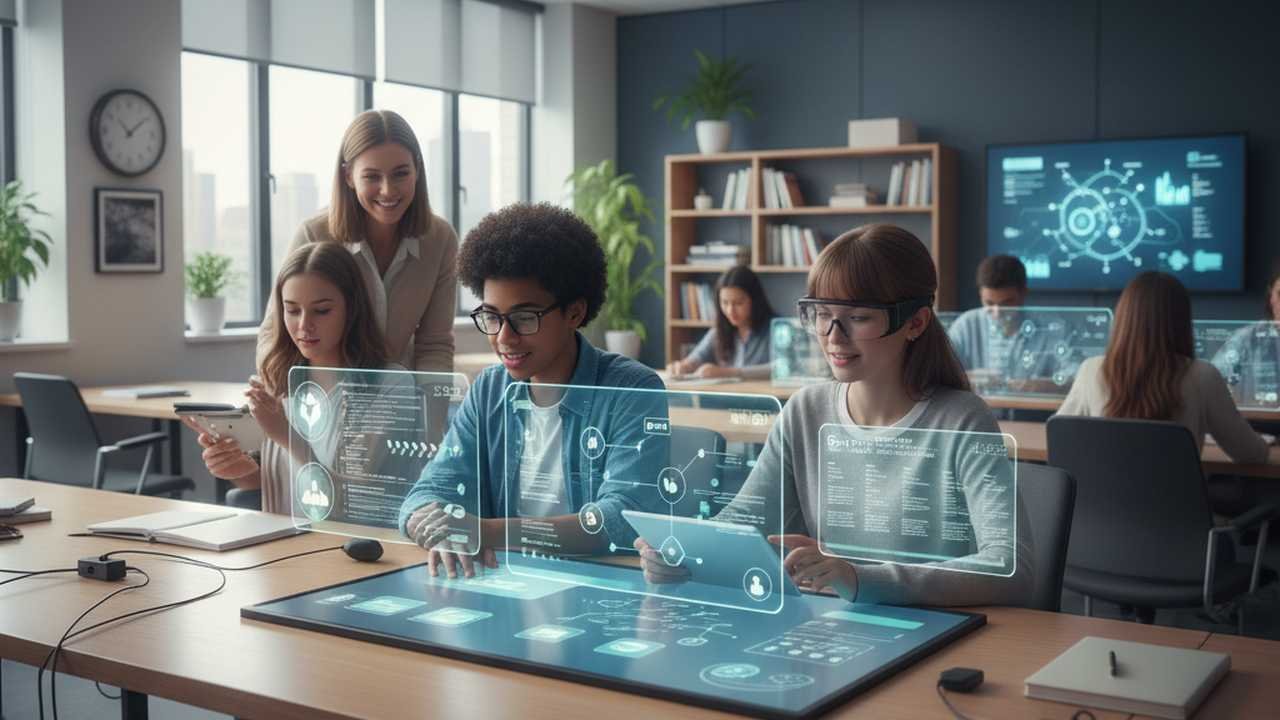
Imagine a classroom where every student is not just a face in the crowd but a unique individual with tailored learning experiences designed specifically for them. This isn’t a distant dream – it’s the reality unfolding right now, driven by the transformative power of technology. Personalized learning, once a buzzword, has become the cornerstone of modern education, reshaping how students engage with content, how teachers deliver instruction, and how educational guidance is provided. The urgency to adopt these innovations has never been greater, and the fear of missing out (FOMO) is palpable. Schools and educators who hesitate risk leaving their students behind in an increasingly competitive world.
The Rise of Personalized Learning: A Paradigm Shift in Education
Personalized learning represents a fundamental shift from traditional, one-size-fits-all education models to approaches that recognize and celebrate individual learning differences. By leveraging technology, educators can create customized learning pathways that cater to each student’s strengths, weaknesses, interests, and pace. This shift is not just about technology for technology’s sake; it’s about reimagining education to meet the diverse needs of every learner. The integration of adaptive learning platforms, AI-driven assessments, and real-time feedback mechanisms ensures that no student is left behind. The urgency to embrace this change is clear – those who adapt will lead, while those who don’t risk obsolescence.
Adaptive Learning Technologies: Tailoring Education to Individual Needs
At the heart of personalized learning lies adaptive learning technology. These intelligent systems analyze student performance in real-time, adjusting the difficulty level of tasks and providing targeted interventions as needed. Platforms like Knewton and DreamBox Learning exemplify this approach, offering dynamic content that evolves based on student interactions. For instance, if a student struggles with a particular concept, the system identifies this gap and presents additional resources or practice problems to reinforce understanding. This personalized approach not only enhances learning outcomes but also boosts student engagement by providing content that is appropriately challenging. The fear of falling behind is mitigated, as students receive the support they need precisely when they need it.
AI-Powered Educational Guidance: The Future of Student Support
Artificial Intelligence (AI) is revolutionizing educational guidance by providing personalized support at scale. AI-driven tutoring systems, such as those developed by Carnegie Learning, offer students real-time assistance, answering questions, explaining concepts, and guiding them through problem-solving processes. These systems are designed to mimic human tutoring experiences, delivering personalized feedback and explanations tailored to each student’s needs. The integration of AI in educational guidance ensures that students receive continuous support, regardless of time or location. This technological advancement democratizes access to high-quality tutoring, making it available to a broader range of students. The urgency to implement AI-powered guidance systems is evident – schools that do not adopt these technologies risk depriving their students of essential support.
Gamification and Interactive Learning: Engaging Students through Technology
Gamification introduces elements of game design into educational contexts, transforming learning into an engaging and interactive experience. Platforms like Duolingo and Kahoot! utilize gamified elements such as points, levels, and leaderboards to motivate students and make learning enjoyable. These tools encourage active participation, foster healthy competition, and provide immediate feedback, enhancing student engagement and retention. The sensory appeal of colorful interfaces, interactive challenges, and instant rewards creates an immersive learning environment that captivates students’ attention. The fear of disengagement is alleviated, as students are motivated to participate actively in their learning journey.
Data-Driven Insights: Informing Instruction with Real-Time Analytics
Data analytics plays a pivotal role in personalized learning by providing educators with actionable insights into student performance. Learning Management Systems (LMS) and other educational platforms collect vast amounts of data on student interactions, assessments, and progress. Tools like PowerSchool and Canvas utilize this data to generate reports that highlight trends, identify learning gaps, and inform instructional decisions. For example, if a student consistently performs poorly in a specific area, educators can intervene early, providing targeted support to address the issue. This proactive approach ensures that students receive the help they need before challenges become insurmountable. The urgency to harness data analytics is clear – educators who do not utilize these tools risk making decisions without a comprehensive understanding of student needs.
Virtual and Augmented Reality: Immersive Learning Experiences
Virtual Reality (VR) and Augmented Reality (AR) technologies offer immersive learning experiences that engage students in ways traditional methods cannot. Platforms like Google Expeditions and zSpace allow students to explore historical sites, conduct virtual science experiments, or visualize complex mathematical concepts in three dimensions. These technologies provide sensory-rich experiences that enhance understanding and retention. For instance, a student studying the solar system can virtually travel through space, observing planets and stars up close, making abstract concepts tangible. The immersive nature of VR and AR captivates students’ imaginations, fostering a deeper connection to the material. The fear of missing out on these innovative learning experiences is real – schools that do not integrate VR and AR technologies risk limiting their students’ educational opportunities.
Collaborative Learning Platforms: Fostering Peer Interaction and Support
Technology facilitates collaborative learning by providing platforms that enable students to work together, share resources, and support each other’s learning journeys. Tools like Google Classroom and Microsoft Teams offer spaces for students to collaborate on projects, participate in discussions, and provide peer feedback. These platforms promote communication, teamwork, and critical thinking skills, preparing students for real-world challenges. The ability to collaborate with peers enhances the learning experience, making it more dynamic and socially engaging. The fear of isolation is mitigated, as students connect with others, sharing knowledge and experiences. The urgency to adopt collaborative technologies is evident – educators who do not embrace these tools risk depriving students of essential collaborative experiences.
Implementing Personalized Learning: Strategies for Educators
Implementing personalized learning requires thoughtful planning, professional development, and a commitment to continuous improvement. Educators must assess student needs, select appropriate technologies, and design flexible learning pathways that accommodate diverse learning styles. Professional development programs should focus on equipping teachers with the skills to effectively integrate technology into their instruction and to interpret data analytics to inform their teaching practices. Collaboration among educators, administrators, and technology specialists is essential to create a cohesive and supportive learning environment. The fear of failure is alleviated when educators are well-prepared and supported in their efforts to personalize learning. The urgency to implement personalized learning is pressing – schools that delay risk falling behind in an increasingly technology-driven educational landscape.
The Future of Personalized Learning: Embracing Innovation and Equity
The future of personalized learning is bright, with continuous advancements in technology offering new opportunities to enhance education. Artificial Intelligence, machine learning, and data analytics will continue to evolve, providing more sophisticated tools for personalizing learning experiences. However, as technology advances, it is crucial to ensure that all students have equitable access to these resources. Efforts must be made to bridge the digital divide, providing underserved communities with the necessary infrastructure and support to benefit from personalized learning technologies. The fear of inequity is addressed through policies and initiatives aimed at ensuring all students have access to high-quality educational resources. The urgency to embrace innovation and equity is paramount – educators and policymakers must work together to create an inclusive educational landscape that prepares all students for success in the future.
In today’s rapidly evolving educational landscape, integrating technology into the classroom is more important than ever for fostering student engagement. For those pursuing an educational studies major, understanding how to leverage digital tools can significantly enhance interaction and learning outcomes in their future classrooms.
For a deeper understanding, check out our detailed guide on Best Places In Italy To which covers related aspects in depth.
As educators prepare to integrate technology into their classrooms, they can also draw inspiration from diverse cultures and educational practices found in different parts of the globe. Exploring different places in the world to visit can provide valuable insights into how various educational systems operate and thrive, enriching their teaching methodologies and broadening their perspectives.