In today’s rapidly advancing world, the fusion of technology and education has become paramount. STEM kits, encompassing Science, Technology, Engineering, and Mathematics, have emerged as transformative tools, especially for students in special education. These kits offer hands-on experiences that demystify complex concepts, making learning both accessible and engaging. For students who have met special education needs, STEM kits provide tailored learning experiences that cater to diverse learning styles and abilities, ensuring that every student has the opportunity to succeed.
The Power of Hands-On Learning
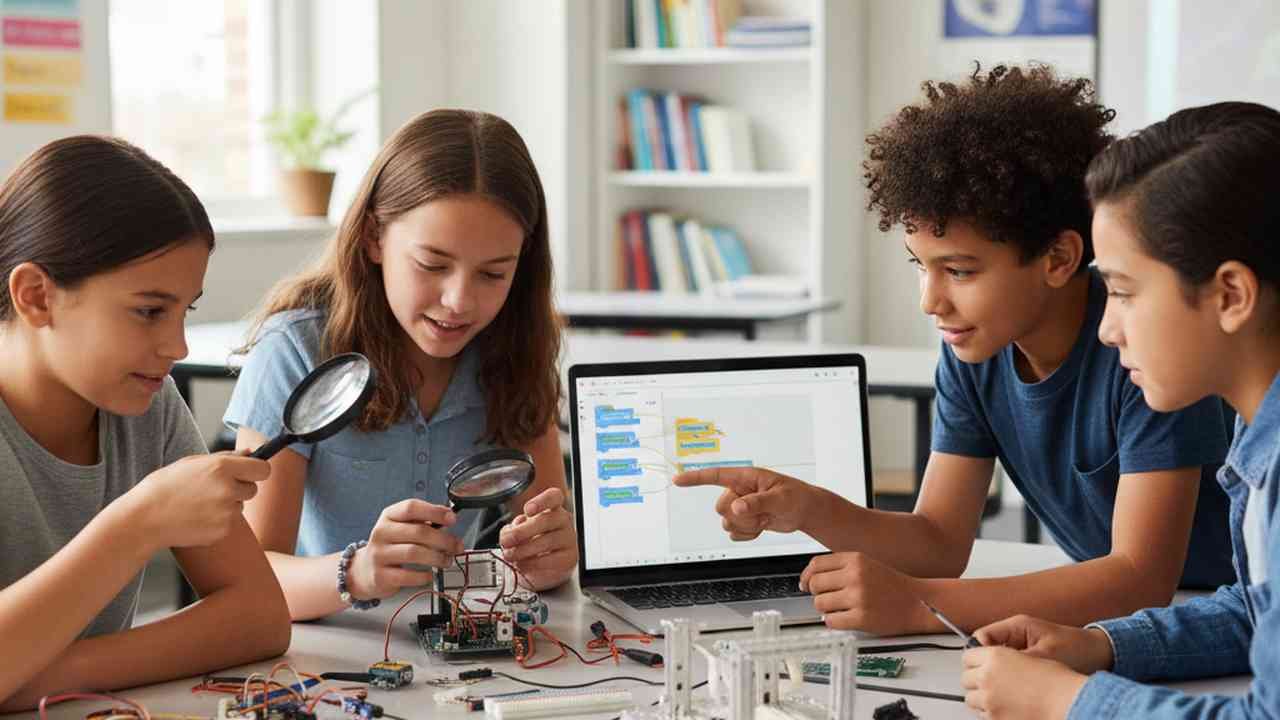
Imagine a classroom where students are not confined to textbooks but are actively building circuits, programming robots, and experimenting with electronic components. This is the reality that STEM kits bring to life. For students who have met special education needs, such immersive experiences are crucial. They move beyond theoretical knowledge, allowing students to engage in tactile learning that reinforces abstract concepts. The act of physically constructing a project or debugging a piece of code provides immediate feedback, fostering a deeper understanding and retention of the material.
Hands-on learning also promotes critical thinking and problem-solving skills. When students encounter challenges during their projects, they learn to approach problems methodically, test solutions, and adapt their strategies. This iterative process mirrors real-world scenarios, preparing students for future challenges. Moreover, the sense of accomplishment that comes from completing a project boosts confidence and encourages a growth mindset, essential traits for lifelong learning.
Bridging the Gap in Special Education
For students who have met special education needs, traditional teaching methods may not always be effective. STEM kits bridge this gap by offering personalized learning experiences. These kits can be adapted to suit various learning styles, whether visual, auditory, or kinesthetic. For instance, visual learners can benefit from color-coded components, while auditory learners can use kits that include verbal instructions or sound cues.
Furthermore, STEM kits often come with step-by-step guides and online resources, allowing students to learn at their own pace. This flexibility is particularly beneficial for students who may require additional time to grasp certain concepts. By providing a supportive and adaptable learning environment, STEM kits empower students to take ownership of their learning journey, leading to improved academic outcomes and self-esteem.
Enhancing Engagement Through Gamification
One of the standout features of many STEM kits is their incorporation of gamification elements. By turning learning into a game, these kits capture students’ attention and make complex topics more approachable. For students who have met special education needs, gamified learning can be especially effective. The interactive nature of these kits keeps students engaged, while the game-like structure provides clear goals and rewards, motivating students to persist through challenges.
Games also introduce an element of fun into the learning process. When students enjoy what they’re doing, they’re more likely to stay focused and retain information. Additionally, the competitive aspects of games can encourage collaboration and teamwork, fostering social skills and communication among students. In this way, STEM kits not only teach technical skills but also promote essential life skills.
Developing Critical Life Skills
Beyond technical knowledge, STEM kits help students develop a range of critical life skills. Through activities that require planning, execution, and reflection, students learn time management, organization, and perseverance. For students who have met special education needs, these skills are invaluable. They provide a foundation for success both inside and outside the classroom.
Moreover, STEM kits encourage creativity and innovation. As students design their own projects or modify existing ones, they exercise their imagination and learn to think outside the box. This creative thinking is not only applicable to STEM fields but is also transferable to other areas of life, enhancing problem-solving abilities and adaptability.
Fostering Collaboration and Communication
Many STEM kits are designed for group activities, promoting collaboration and communication among students. Working together on a project teaches students how to share ideas, delegate tasks, and resolve conflicts. For students who have met special education needs, these social interactions are crucial. They provide opportunities to practice and develop interpersonal skills in a supportive environment.
Collaboration also mirrors real-world scenarios, where teamwork is often essential. By engaging in group projects, students learn the value of diverse perspectives and the importance of working towards a common goal. These experiences prepare students for future careers and help them build a network of supportive peers and mentors.
Real-World Applications and Career Readiness
STEM kits provide students with a glimpse into real-world applications of the concepts they learn. By working on projects that simulate real-life scenarios, students understand the practical implications of their studies. For students who have met special education needs, this connection to the real world makes learning more meaningful and relevant.
Additionally, exposure to STEM fields opens doors to various career opportunities. As students develop skills in robotics, coding, and electronics, they become better equipped to pursue careers in technology, engineering, and other STEM-related fields. Early exposure to these areas can spark interest and passion, guiding students towards fulfilling career paths.
Parental Involvement and Support
Parental involvement plays a significant role in a student’s educational success. STEM kits offer parents a unique opportunity to engage with their child’s learning process. By participating in projects together, parents can provide support, encouragement, and guidance, reinforcing the concepts taught in the classroom.
For students who have met special education needs, having a supportive adult presence can boost confidence and motivation. Parents can also help adapt activities to suit their child’s specific needs, ensuring a personalized learning experience. This collaboration between home and school creates a cohesive support system that enhances the student’s overall development.
Choosing the Right STEM Kit
With a plethora of STEM kits available, selecting the right one can be daunting. It’s essential to consider the student’s age, interests, and specific learning needs. For students who have met special education needs, choosing a kit that offers adaptability and support is crucial. Kits that come with clear instructions, visual aids, and online resources can be particularly beneficial.
Additionally, it’s helpful to look for kits that align with the student’s curriculum or areas of interest. Whether it’s robotics, coding, or electronics, selecting a kit that resonates with the student’s passions can enhance engagement and motivation. Researching reviews and seeking recommendations from educators can also guide the selection process, ensuring the chosen kit meets the student’s needs and promotes a positive learning experience.
As you explore educational tools and resources for students, don’t forget to also consider enriching experiences outside the classroom. For instance, if you ever find yourself in Finland, you might want to discover some of the best places to visit in Helsinki, Finland, which can offer a unique blend of culture and learning opportunities.