
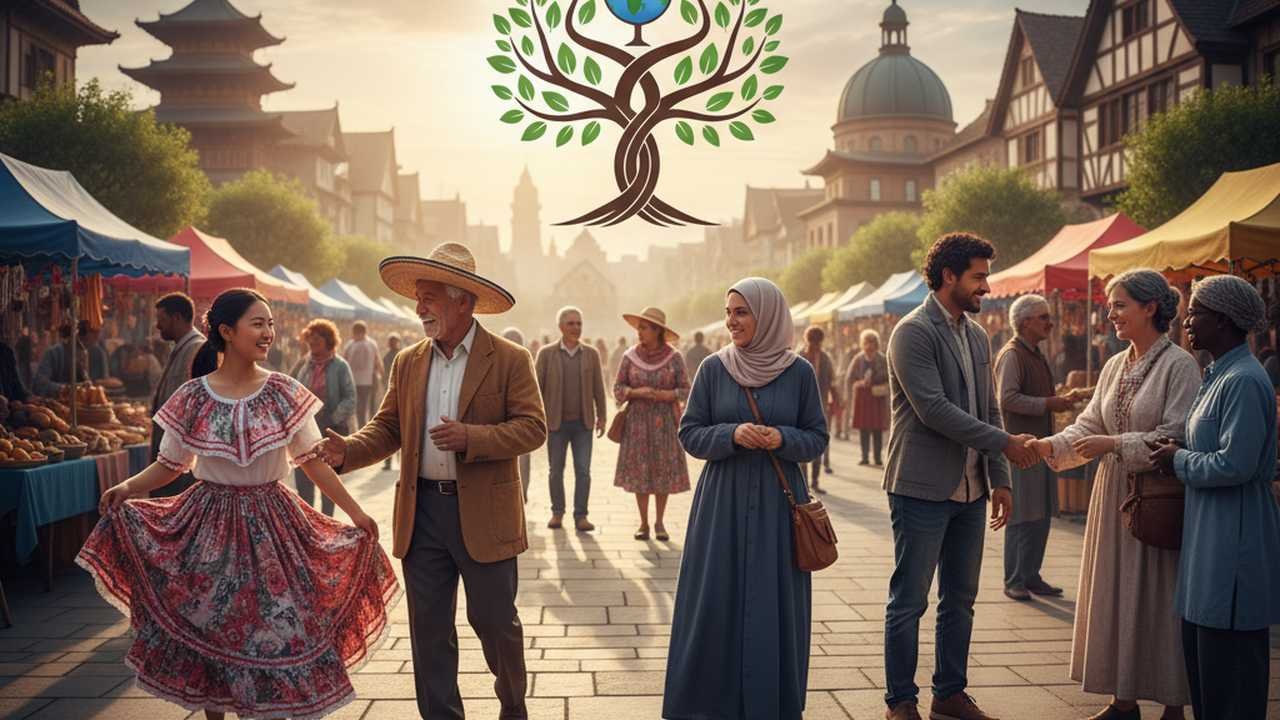
Immersing yourself in a new culture is more than just a change of scenery – it’s a profound transformation that can redefine your worldview, challenge your assumptions, and open doors to experiences you never imagined. Yet, without the right approach, this journey can feel overwhelming, isolating, and even disorienting. The key to thriving in a new cultural landscape lies in understanding and adapting to its social norms. This article delves into practical strategies to help you navigate cultural transitions with confidence and grace, ensuring you don’t miss out on the rich experiences awaiting you.
Understanding the Importance of Cultural Adaptation
Adapting to a new culture isn’t merely about learning a new language or trying unfamiliar foods; it’s about understanding the underlying values, beliefs, and behaviors that shape everyday life. Cultural adaptation involves adjusting your behaviors, attitudes, and practices to align with the customs, values, and norms of a new cultural environment. This process is essential for building meaningful relationships, succeeding professionally, and fully engaging in your new surroundings. Without this adjustment, you risk missing out on opportunities to connect, grow, and thrive in your new environment.
Researching Before You Go: Knowledge Is Power
Preparation is the first step toward successful cultural adaptation. Before immersing yourself in a new culture, take the time to research its customs, traditions, and social norms. Understanding the basics – such as appropriate greetings, dining etiquette, and dress codes – can prevent unintentional faux pas and help you navigate social interactions with ease. Resources like cultural orientation programs, travel blogs, and forums can provide valuable insights. The more informed you are, the more confident and comfortable you’ll feel when you arrive, ensuring you don’t miss out on the full experience.
Embracing the Language Barrier
Language is the gateway to understanding a culture. While fluency takes time, making an effort to learn key phrases and expressions can significantly enhance your experience. Locals appreciate when newcomers attempt to speak their language, even if it’s just a few words. This effort demonstrates respect and a willingness to engage. Language exchange programs, apps, and local classes are excellent resources to improve your skills. Remember, every word learned is a step closer to deeper connections and richer experiences.
Observing and Emulating Local Behaviors
One of the most effective ways to learn about a new culture is by observing how locals behave in everyday situations. Pay attention to how they greet each other, express emotions, and navigate social interactions. Emulating these behaviors can help you blend in and avoid misunderstandings. For instance, in some cultures, maintaining eye contact is a sign of confidence, while in others, it may be perceived as rude. By observing and adapting to these nuances, you demonstrate cultural sensitivity and respect, paving the way for smoother interactions and deeper relationships.
Building Relationships with Locals
Forming connections with locals is perhaps the most rewarding aspect of cultural adaptation. These relationships offer authentic insights into the culture and can serve as a support system during your transition. Engage in community events, join local clubs or organizations, and participate in social gatherings. Be open, approachable, and genuinely interested in learning about others’ experiences and perspectives. Through these interactions, you’ll gain a deeper understanding of the culture and enrich your own experience.
Participating in Cultural Activities
Immersing yourself in cultural activities is an excellent way to experience a new culture firsthand. Attend local festivals, try traditional cuisines, learn local dances, or participate in community service projects. These activities not only provide insight into the culture but also allow you to create lasting memories and bonds with others. The more you engage, the more you’ll feel connected to your new environment, ensuring you don’t miss out on the vibrant experiences it offers.
Seeking Support When Needed
Adapting to a new culture can be challenging, and it’s natural to experience moments of doubt or frustration. When these feelings arise, seek support. Many communities offer resources for newcomers, such as counseling services, cultural workshops, and support groups. Don’t hesitate to reach out to these resources or to friends and mentors who can offer guidance and encouragement. Remember, seeking help is a sign of strength and a step toward thriving in your new environment.
Staying Open-Minded and Patient
Adaptation is a gradual process that requires patience and an open mind. Be prepared to encounter situations that challenge your preconceived notions and comfort zones. Approach these challenges with curiosity rather than judgment. Understand that it’s normal to make mistakes and experience discomfort along the way. Each experience, whether positive or negative, contributes to your growth and understanding. By maintaining an open mind and being patient with yourself, you’ll navigate the complexities of cultural adaptation more effectively.
Reflecting on Your Journey
As you settle into your new culture, take time to reflect on your experiences. Consider how you’ve grown, what you’ve learned, and how your perspectives have shifted. This reflection not only reinforces your adaptation but also enhances your ability to navigate future cultural transitions. Keep a journal, engage in discussions with others, or share your experiences through blogs or social media. Reflecting on your journey allows you to appreciate the richness of your experiences and the depth of your personal growth.
If you found this helpful, you might also want to explore Practical Tips for Preventing Accidents for more insights on this topic.
As you reflect on your journey of cultural adaptation, consider how teachers can leverage digital tools to enhance classroom interaction, creating a more engaging and inclusive learning environment for all students. Embracing technology in education can foster a sense of community and facilitate meaningful exchanges among diverse learners, which is especially important in our increasingly interconnected world. For practical insights, you can explore how teachers can use digital tools effectively.