In today’s fast-paced world, where every moment counts and health is more precious than ever, maintaining personal hygiene isn’t just a routine – it’s a necessity. The invisible threats of bacteria and viruses lurk everywhere, making it imperative to adopt hygiene practices that shield us from illness. This isn’t merely about cleanliness; it’s about safeguarding your health and well-being. Don’t wait until it’s too late – take control now.
The Power of Hand Hygiene: Your First Line of Defense
Imagine the countless surfaces you touch daily – door handles, smartphones, public transport poles. Each contact is a potential gateway for harmful germs. Hand hygiene stands as your most effective barrier against infections. The act of washing hands with soap and water for at least 20 seconds can dramatically reduce the spread of diseases. It’s a simple yet profound habit that can prevent illnesses like the common cold, flu, and even more severe infections. By incorporating this practice into your daily routine, you not only protect yourself but also those around you. Remember, it’s not just about cleanliness; it’s about creating a healthier environment for everyone.
Oral Hygiene: More Than Just a Smile
Your mouth is a gateway to your body, and neglecting oral hygiene can lead to more than just bad breath. Poor dental care can result in gum disease, tooth decay, and even heart problems. Brushing your teeth at least twice a day and flossing regularly are essential practices to maintain oral health. These habits help remove food particles and plaque, preventing the buildup of harmful bacteria. Additionally, regular dental check-ups can catch potential issues early, ensuring your smile remains bright and your health stays intact. Don’t underestimate the power of a good oral hygiene routine – it’s a crucial step in overall wellness.
Showering: Refresh and Revitalize
Showering isn’t just about feeling clean; it’s about rejuvenating your body and mind. Regular showers remove sweat, dirt, and dead skin cells, preventing skin irritations and infections. The warm water soothes muscles, while the act itself can be a form of self-care, promoting mental well-being. For those with active lifestyles or living in warmer climates, daily showers are particularly beneficial in preventing body odor and heat-related skin issues. Remember, the benefits of a good shower extend beyond cleanliness – they contribute to your overall health and confidence.
Handwashing Techniques: Making It Effective
It’s not enough to wash your hands; it’s about doing it correctly. The CDC recommends scrubbing all surfaces of your hands – including the backs, between fingers, and under nails – for at least 20 seconds. Singing a song like “Happy Birthday” twice can help you time it right. Using alcohol-based hand sanitizers with at least 60% alcohol is a good alternative when soap and water aren’t available. However, nothing beats the effectiveness of proper handwashing. By mastering this technique, you ensure that you’re removing as many germs as possible, significantly lowering your risk of illness.
Personal Hygiene in Schools: A Collective Effort
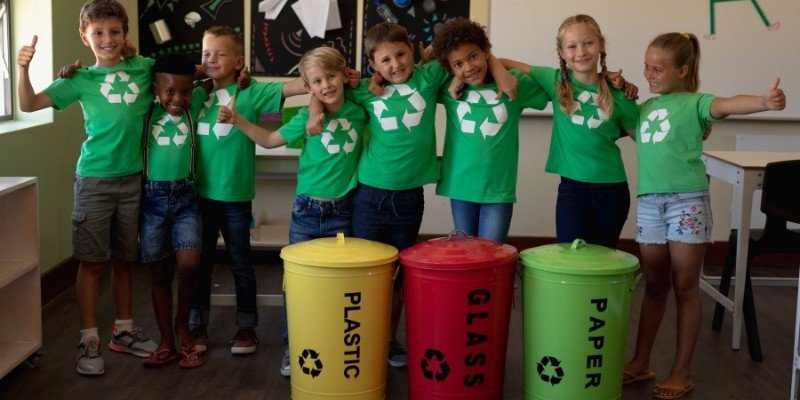
Schools are breeding grounds for germs, with children frequently in close contact. Implementing hygiene practices in educational settings is crucial. Encouraging students to wash their hands regularly, especially before meals and after using the restroom, can reduce the spread of infections. Teachers and staff play a pivotal role by modeling good hygiene behaviors and creating an environment that promotes cleanliness. By fostering these habits early on, we instill lifelong practices that contribute to healthier communities. Remember, a clean school is a healthy school, and it starts with each individual’s commitment to hygiene.
Activity-Based Education: Engaging and Effective Learning
Traditional methods of teaching hygiene may not always capture the attention of students. Activity-based education offers a dynamic approach, incorporating hands-on experiences that make learning about hygiene engaging and memorable. Activities like role-playing, hygiene-themed games, and interactive demonstrations allow students to practice hygiene skills in a fun and supportive environment. This approach not only enhances understanding but also encourages the adoption of good hygiene habits. By making learning interactive, we ensure that hygiene education is both effective and enjoyable, leading to lasting behavioral changes.
Creating a Hygiene-Friendly Environment at Home
Your home should be a sanctuary of health. Keeping living spaces clean and organized reduces the risk of infections. Regularly disinfecting high-touch surfaces, such as doorknobs, light switches, and remote controls, can eliminate harmful germs. Ensuring proper ventilation in rooms helps reduce airborne pathogens. Additionally, maintaining a clutter-free environment makes cleaning easier and more effective. By establishing these practices at home, you create a safe and healthy space for yourself and your family. Remember, a clean home is the foundation of good health.
Nutrition and Hydration: Fueling Your Body for Optimal Hygiene
What you put into your body affects how it functions, including your immune system’s ability to fight off infections. A balanced diet rich in fruits, vegetables, lean proteins, and whole grains provides the necessary nutrients to maintain healthy skin, gums, and overall bodily functions. Staying hydrated is equally important, as water supports digestion, circulation, and temperature regulation. By nourishing your body with the right foods and adequate fluids, you bolster your defenses against illness. Prioritize your nutrition and hydration – they are integral components of personal hygiene and overall health.
Sleep and Hygiene: Restoring Your Body’s Defenses
Sleep is a critical component of personal hygiene that is often overlooked. During sleep, your body repairs itself, strengthens the immune system, and consolidates memories. Inadequate sleep can weaken your immune response, making you more susceptible to illnesses. Establishing a regular sleep schedule, creating a restful environment, and practicing relaxation techniques can improve sleep quality. By prioritizing rest, you enhance your body’s ability to maintain hygiene and fight off infections. Remember, a well-rested body is a resilient body.
As schools and daycare centers play a crucial role in shaping the health and well-being of children, implementing effective sanitation and hygiene practices is essential. In our article, we explore practical guidelines for sanitation and hygiene in schools and daycare centers, providing insights on where education enterprise meets public health needs.
As we navigate our daily lives, it’s crucial to be aware of the health risks associated with food and water consumption. By implementing simple yet effective strategies, such as those outlined in our article on Practical Tips for Preventing Foodborne and Waterborne Diseases, we can significantly reduce our risk, much like how the Arizona education plate promotes awareness and safety in our communities.
For a deeper understanding, check out our detailed guide on Cool Places in which covers related aspects in depth.
As we prioritize health and safety in educational environments, it’s equally important to foster an engaging and interactive learning experience at home. Integrating fun elements into study routines can greatly enhance children’s enthusiasm for learning, and you can discover various creative ways to make learning engaging, fun, and interactive at home through our comprehensive guide.