
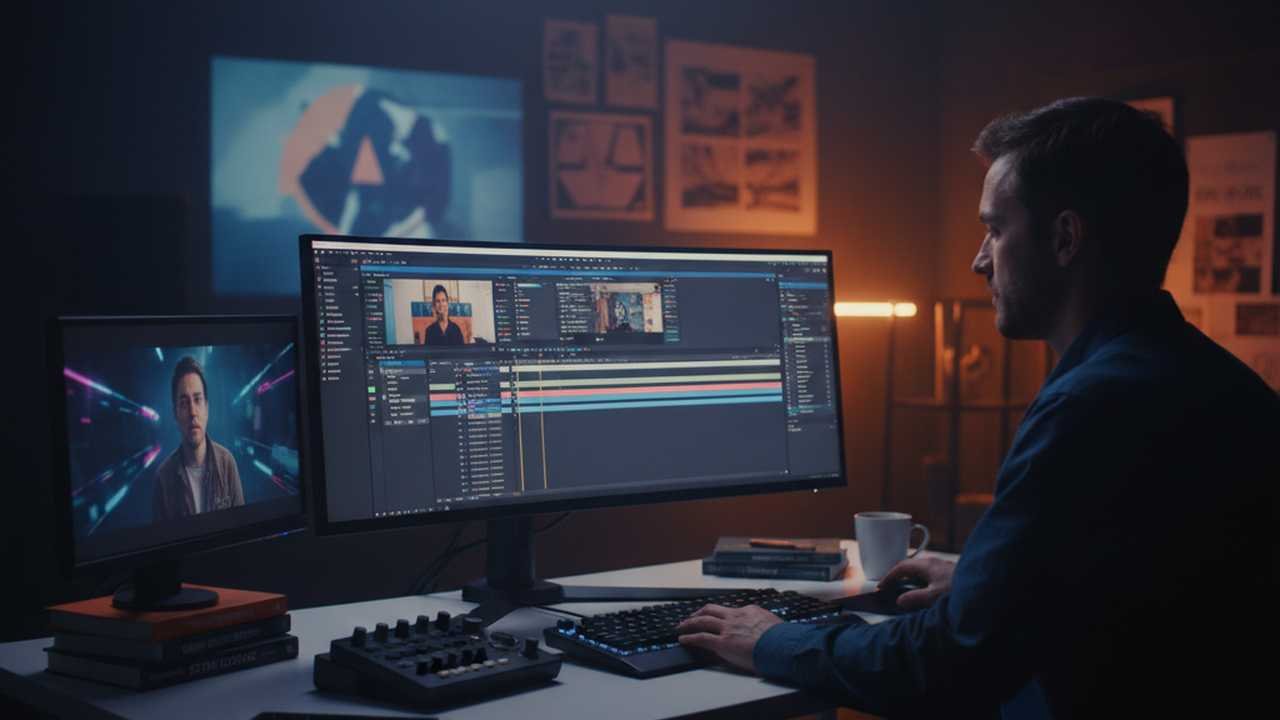
Unlocking the Power of Visual Storytelling
In today’s fast-paced digital world, capturing your audience’s attention is more challenging than ever. Video editing has become the linchpin of compelling multimedia storytelling, allowing creators to weave narratives that resonate deeply with viewers. Whether you’re a budding filmmaker, a content creator, or a marketing professional, mastering video editing is essential to elevate your storytelling prowess. The urgency to learn this skill has never been more pronounced, as the demand for engaging video content continues to soar across platforms like YouTube, TikTok, and Instagram.
Imagine crafting a video that not only tells a story but also evokes emotions, sparks curiosity, and drives action. With the right video editing techniques, you can transform raw footage into a polished masterpiece that captivates your audience from start to finish. The key lies in understanding the nuances of pacing, rhythm, and visual composition, all of which are integral to effective storytelling.
Moreover, the landscape of multimedia storytelling is constantly evolving, with new trends and technologies emerging regularly. Staying ahead of the curve requires a commitment to continuous learning and adaptation. By honing your video editing skills, you position yourself to leverage these advancements, ensuring your content remains relevant and impactful.
Essential Tools and Software for Video Editing
Embarking on your video editing journey necessitates selecting the right tools that align with your goals and expertise. The market is flooded with a plethora of video editing software, each offering unique features tailored to different needs. For beginners, user-friendly platforms like iMovie and Adobe Premiere Rush provide intuitive interfaces and essential editing functionalities. These tools are perfect for those starting and looking to grasp the basics of video editing without feeling overwhelmed.
As you progress and seek more advanced capabilities, transitioning to professional-grade software becomes imperative. Adobe Premiere Pro stands out as a leading choice among professionals, offering a comprehensive suite of editing tools that cater to complex projects. Its robust features, coupled with seamless integration with other Adobe Creative Cloud applications, make it a versatile option for serious video editors.
Final Cut Pro X is another formidable contender, particularly favored by Mac users for its optimized performance and advanced editing features. Its magnetic timeline and powerful media organization tools streamline the editing process, allowing for efficient project management and execution.
Beyond the software, investing in quality hardware is crucial to ensure smooth editing workflows. A powerful computer with ample RAM and a high-resolution monitor can significantly enhance your editing experience, reducing lag and improving precision. Additionally, external storage solutions like SSDs can provide the necessary space to handle large video files and projects.
Understanding the Fundamentals of Video Editing
Before diving into the intricacies of video editing, it’s vital to grasp the foundational principles that underpin effective editing. These fundamentals serve as the building blocks upon which all advanced techniques are built. One of the most critical aspects is understanding the importance of storytelling through visuals. Every cut, transition, and effect should serve the narrative, guiding the audience through the story seamlessly.
Another essential principle is the concept of pacing. The rhythm of your edits can significantly impact the emotional tone of your video. Quick cuts can create a sense of urgency and excitement, while slower transitions can evoke contemplation and introspection. Mastering pacing allows you to manipulate the audience’s emotional response, enhancing the overall impact of your story.
Additionally, color grading plays a pivotal role in setting the mood and tone of your video. The color palette you choose can influence how the audience perceives the content, subtly guiding their emotions and expectations. Understanding the psychological effects of colors and how to manipulate them through grading techniques can elevate the aesthetic quality of your videos.
Sound design is equally important in video editing. The auditory elements of your video, including dialogue, sound effects, and music, contribute significantly to the storytelling process. Properly mixing and synchronizing these elements ensures clarity and enhances the immersive experience for the viewer.
Advanced Editing Techniques to Enhance Your Storytelling
Once you’ve mastered the basics, it’s time to delve into advanced editing techniques that can elevate your storytelling to new heights. One such technique is the use of visual effects (VFX) to create stunning imagery that captivates the audience’s attention. Whether it’s adding explosions, transforming backgrounds, or creating fantastical creatures, VFX can bring your imagination to life on screen.
Motion graphics are another powerful tool in advanced video editing. Incorporating animated elements can help convey complex information in an engaging and easily digestible manner. Infographics, lower thirds, and animated titles can add a professional touch to your videos, making them more informative and visually appealing.
Non-linear editing (NLE) systems allow for greater flexibility and creativity in the editing process. These systems enable editors to work with multiple video and audio tracks simultaneously, facilitating complex edits and seamless transitions. Mastery of NLE systems opens up a world of possibilities, allowing you to experiment with different editing styles and techniques.
Furthermore, understanding the principles of continuity editing ensures that your edits maintain logical coherence and flow. Techniques like match cuts, jump cuts, and cross-cutting can be employed to manipulate time and space within your narrative, adding depth and complexity to your storytelling.
Building a Compelling Narrative Through Editing
At the heart of every great video lies a compelling narrative. As an editor, your role is to shape and enhance this narrative, ensuring it resonates with the audience. One effective approach is to start with a strong opening that grabs attention immediately. The first few seconds of your video are crucial in establishing interest and setting the tone for the rest of the content.
Developing characters and building emotional arcs is another vital aspect of storytelling. Through careful editing, you can highlight key moments that showcase character development, allowing the audience to connect with the individuals on screen. This connection fosters empathy and investment in the story.
Conflict and resolution are fundamental components of storytelling. Through strategic editing, you can build tension and anticipation, leading to a satisfying resolution that provides closure and fulfillment for the audience. The pacing and timing of these moments are critical in delivering a powerful emotional impact.
Incorporating symbolism and motifs can add layers of meaning to your narrative. Recurrent visual elements or themes can subtly convey deeper messages, enriching the viewer’s experience and prompting reflection. These elements can be woven seamlessly into the editing process, enhancing the storytelling without overt exposition.
Leveraging Online Resources and Communities for Growth
The journey to mastering video editing doesn’t have to be solitary. Numerous online resources and communities are available to support and guide you along the way. Platforms like YouTube offer a wealth of tutorials covering every aspect of video editing, from basic techniques to advanced effects. These tutorials provide step-by-step instructions, allowing you to learn at your own pace and revisit concepts as needed.
Online forums and communities, such as Reddit’s r/VideoEditing, provide spaces to ask questions, share work, and receive feedback from fellow editors. Engaging with these communities can offer valuable insights, tips, and encouragement, fostering a sense of camaraderie and shared learning.
Additionally, online courses and workshops offer structured learning experiences, often led by industry professionals. These courses delve deeper into specific areas of video editing, providing comprehensive knowledge and practical skills that can accelerate your growth and proficiency.
Networking with other creators and professionals in the field can also open doors to collaborative opportunities and career advancement. Attending industry events, webinars, and conferences allows you to stay updated on the latest trends and technologies, ensuring your skills remain relevant and competitive.
Staying Updated with Industry Trends and Innovations
The field of video editing is dynamic, with new tools, techniques, and trends emerging regularly. Staying informed about these developments is essential to maintaining a competitive edge and producing content that resonates with contemporary audiences. Subscribing to industry blogs, following influential editors on social media, and participating in webinars and workshops can provide insights into the latest innovations and best practices.
Emerging technologies, such as artificial intelligence and machine learning, are beginning to play a significant role in video editing. AI-powered tools can automate tasks like color correction, audio mixing, and even content creation, streamlining the editing process and enhancing efficiency. Familiarizing yourself with these technologies can open up new possibilities and workflows in your editing projects.
Furthermore, understanding the evolving preferences and behaviors of audiences is crucial. Platforms like TikTok and Instagram have popularized short-form, vertical video content, necessitating adaptations in editing styles and techniques. Staying attuned to these shifts allows you to tailor your content to meet the expectations of your target audience, maximizing engagement and impact.
Embracing a mindset of continuous learning and adaptability ensures that you remain at the forefront of the ever-evolving field of video editing, ready to harness new tools and trends to enhance your storytelling capabilities.
Turning Passion into Profession: Monetizing Your Video Editing Skills
Transforming your video editing passion into a viable profession is an achievable goal with dedication and strategic planning. The demand for skilled video editors spans various industries, including entertainment, marketing, education, and corporate sectors. By honing your skills and building a strong portfolio, you can position yourself as a sought-after professional in the field.
Freelancing platforms like Upwork, Fiverr, and Freelancer offer opportunities to connect with clients seeking video editing services. Building a profile that showcases your expertise, experience, and previous work can attract potential clients and projects. Additionally, networking with industry professionals and attending events can lead to referrals and collaborations, expanding your client base.
Creating and selling online courses or tutorials is another avenue to monetize your skills. Platforms like Udemy and Skillshare allow you to share your knowledge with others while generating income. Developing a curriculum that caters to beginners or focuses on niche aspects of video editing can attract a dedicated audience.
Collaborating with content creators, influencers, and brands on sponsored projects can also provide income opportunities. By offering your editing services to enhance their content, you can build relationships and establish a reputation in the industry.
Investing in continuous learning and staying updated with industry trends ensures that your skills remain relevant and in demand, paving the way for sustained success and growth in your video editing career.
Modern cognitive research indicates that the human brain absorbs new information most effectively when study sessions are combined with active recall techniques and spaced repetition. For students who want to optimize their exam preparation and improve their grades, the memory retention strategies detailed in the All the Smoke Podcast Merch Gift Guide for Fans and Collectors and the Fall Party Ideas for Kids That Spark Imagination and Joy provide a brilliant masterclass in academic optimization. By moving away from passive reading and embracing active self-testing, learners can build stronger neural pathways and recall complex concepts with far greater speed and accuracy.
For a deeper understanding, check out our detailed guide on Tips for Building a Network which covers related aspects in depth.
As students prepare for exams and engage in effective study techniques, it’s also important to refresh their minds with some outdoor experiences; exploring the stunning places to visit in the valley and ridge captivating landscapes can provide a perfect escape that inspires creativity and rejuvenation.