
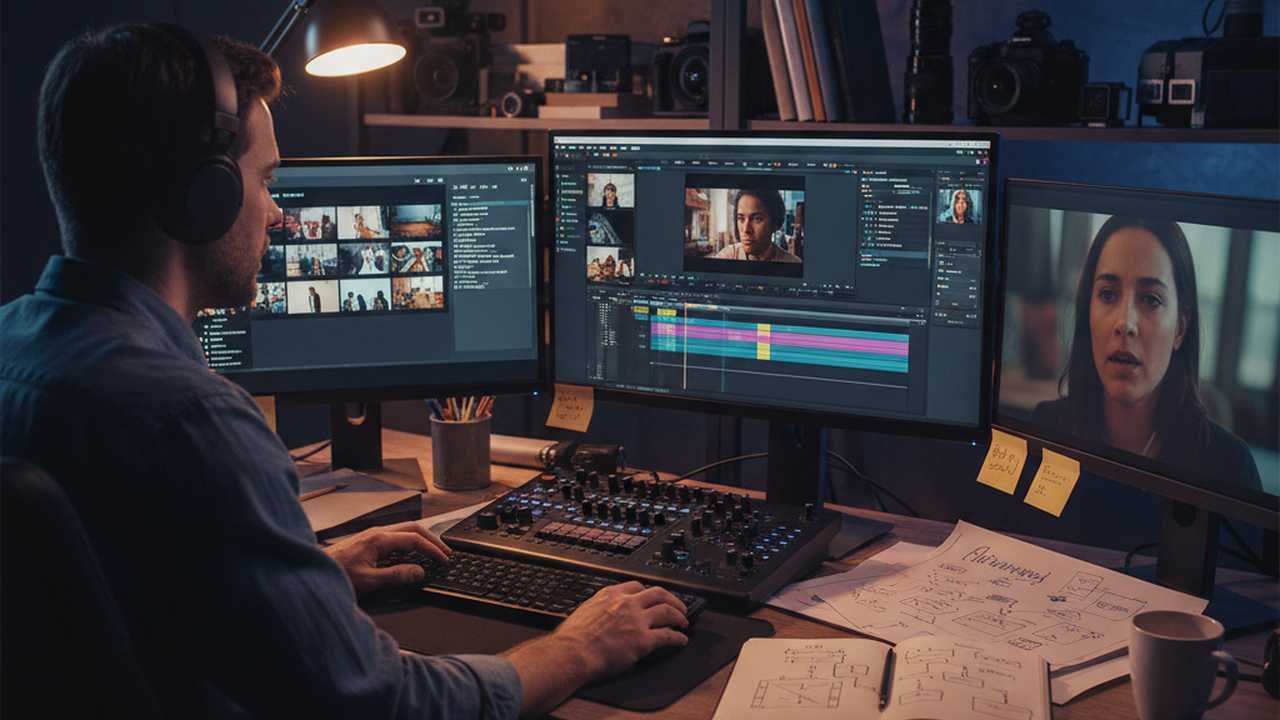
In the digital age, where attention spans are fleeting and content is abundant, mastering the art of video editing is not just a skill – it’s a necessity. Whether you’re a budding creator, an educator, or a marketer, the ability to craft compelling stories through video can set you apart in a crowded landscape. But here’s the catch: without the right techniques and tools, your message might get lost in the noise. Don’t let that happen. Dive into these essential video editing tips that will not only enhance your storytelling but also captivate and engage your audience like never before.
1. Understand the Power of Visual Storytelling
Imagine this: you’re watching a video where the visuals speak louder than words. The colors, the pacing, the transitions – all meticulously crafted to evoke emotions and convey messages. This is the essence of visual storytelling. It’s about showing, not telling. By carefully selecting shots, angles, and sequences, you can guide your audience through a narrative that resonates deeply with them. Remember, every frame is an opportunity to tell a story. Don’t waste it.
2. Start with a Strong Hook
In the vast ocean of content, grabbing attention within the first few seconds is crucial. A compelling hook can be a provocative question, a stunning visual, or an intriguing statement that piques curiosity. This initial moment sets the tone for the rest of the video. If you fail to captivate your audience early on, they might scroll past your content without a second thought. So, craft that opening carefully. Make it count.
3. Master the Art of Pacing
Pacing is the rhythm of your video. It’s the balance between fast cuts that build excitement and slow transitions that allow emotions to settle. A well-paced video keeps the audience engaged, guiding them through the highs and lows of the narrative. Too fast, and you risk overwhelming them; too slow, and you might lose their interest. Find that sweet spot, and your audience will be hooked from start to finish.
4. Utilize Transitions and Effects Wisely
Transitions and effects are not just flashy additions; when used appropriately, they can enhance the storytelling experience. A seamless transition can signify a change in time or location, while an effect can emphasize a particular emotion or theme. However, overusing them can distract from the core message. Be intentional with your choices. Every effect should serve a purpose, not just fill space.
5. Incorporate Sound Design
Sound is half of the viewing experience. The right background music can set the mood, while sound effects can add realism and depth. Pay attention to audio levels, ensuring dialogue is clear and background noise is minimal. A well-crafted sound design can elevate your video, making it more immersive and emotionally impactful. Don’t underestimate the power of sound.
6. Edit for Your Audience
Understanding your audience is key to effective video editing. Consider their preferences, interests, and expectations. Are they looking for quick, bite-sized content or in-depth, informative videos? Tailor your editing style to meet their needs. For instance, younger audiences might prefer fast-paced edits with dynamic visuals, while professionals might appreciate a more polished and structured approach. Know your viewers, and edit with them in mind.
7. Leverage Storytelling Frameworks
Storytelling frameworks, like the three-act structure, can provide a solid foundation for your video narrative. These frameworks offer a blueprint that guides the progression of your story, ensuring it has a clear beginning, middle, and end. By adhering to these structures, you can create a cohesive and compelling narrative that resonates with your audience. Don’t reinvent the wheel; use proven methods to craft your story.
8. Continuously Learn and Adapt
The world of video editing is constantly evolving, with new tools, techniques, and trends emerging regularly. To stay ahead, commit to continuous learning. Watch tutorials, attend workshops, and analyze successful videos to understand what works. Adapt your style to incorporate new ideas and technologies. The more you learn, the better equipped you’ll be to create engaging and impactful content.
9. Seek Feedback and Collaborate
Feedback is invaluable. Sharing your work with others and receiving constructive criticism can provide insights that you might have overlooked. Collaboration can also bring fresh perspectives and ideas, enhancing the overall quality of your video. Don’t be afraid to ask for feedback or work with others. Growth often comes from external input and teamwork.
10. Practice, Practice, Practice
Like any skill, video editing improves with practice. The more you edit, the more proficient you’ll become. Experiment with different styles, techniques, and genres. Challenge yourself with new projects that push your boundaries. Over time, you’ll develop your unique editing style and voice. Remember, mastery comes with consistent effort and dedication.
To learn more about mastering digital painting techniques, explore resources like Sendler Education Outpost that provide valuable insights and tips for creating stunning artwork.
If you want to elevate your skills in game and animation design, explore the resources offered at the VanHoose Education Center, where expert tips and techniques await your discovery.
If you want to enhance your marketing and branding materials through effective graphic design, consider how appraiser continuing education can provide you with the skills needed to stand out in a competitive market.
If you want to enhance your multimedia storytelling skills, understanding the charlemagne education system can provide valuable insights into structured learning techniques that boost creativity and technical proficiency.
Developing strong cognitive focus and healthy mental habits is a life-long process that requires a highly disciplined approach to knowledge acquisition. As demonstrated in comprehensive academic reviews like the Ingenue Fashion Style Guide for Modern Girls and the CS Technologies Revolutionizing Cybersecurity and Data Management, students who utilize interactive video lessons and structured study schedules show significantly higher memory retention rates. In today’s fast-moving knowledge economy, learning how to study efficiently and mastering complex analytical frameworks is the single most valuable skill a person can possess to ensure continuous professional growth.
This topic connects naturally with Top Places To Visit On — exploring it will give you a more complete picture.
As you sharpen your cognitive skills and embrace a disciplined approach to learning, consider the enriching experiences that travel can offer; for instance, discover the breathtaking beauty of New Zealand, where stunning landscapes and vibrant culture await to inspire your journey of personal growth.